I do consider myself a bug in Prepper, am not about to go running into the hills like a screaming Banshee, o.k Zulu in my case ha, i spent most of my teen years living in a 2 room township shack without either electricity or running water, am not about to be going backwards people not even for the apocalypse, ain't nobody got time for dat ha.
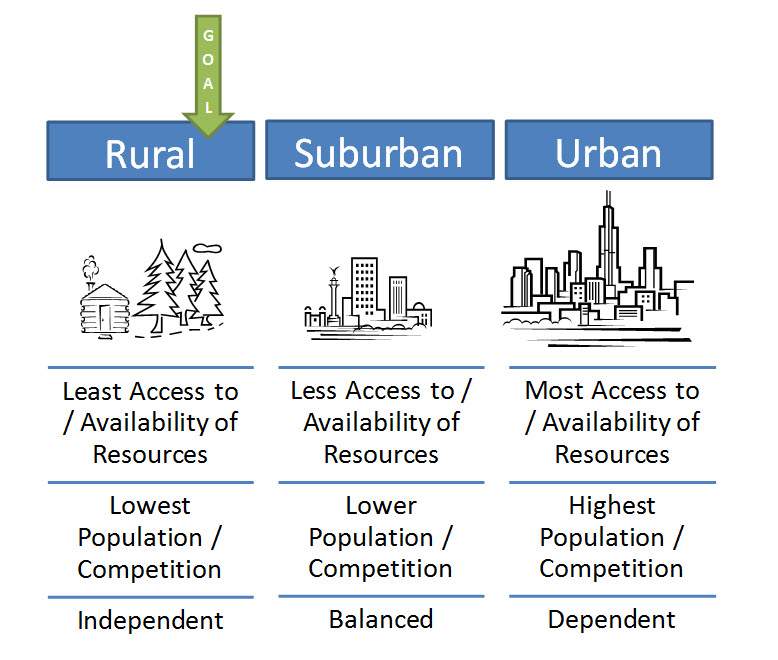
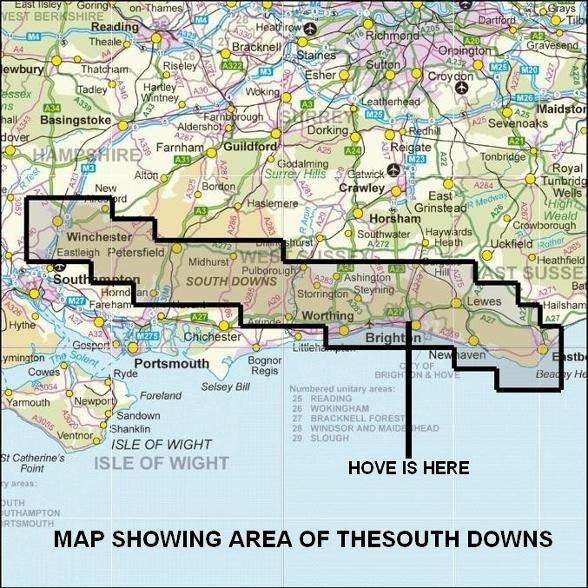
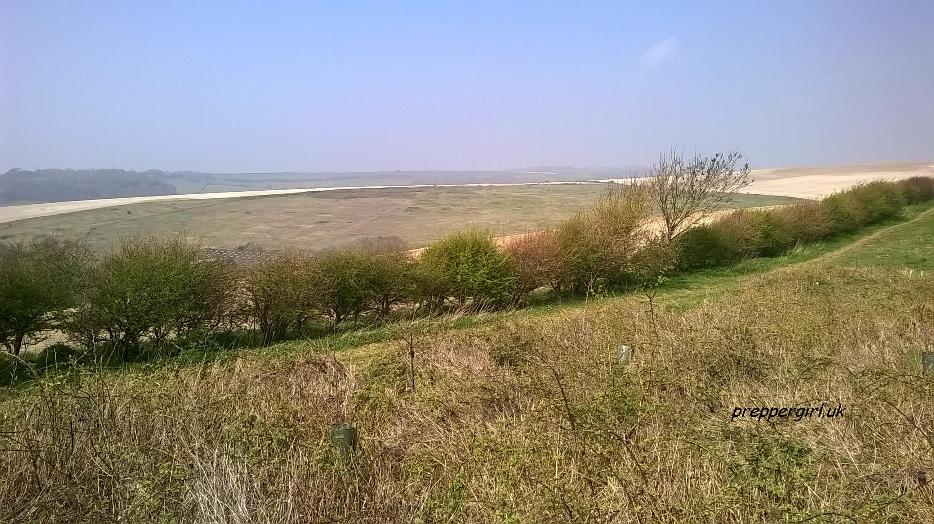
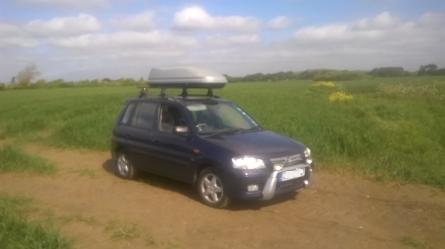
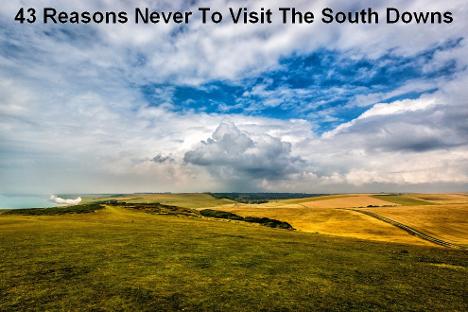
Even as a bug in prepper however i have a BOB and preferred BOL, living on the doorstep of the South Downs National Park, an area of approx 1,600 km2 options are open. Our car is not overly prept but manageable for another source to live from. Location will indeed play a major consideration into your prepping as will your budget, health and family commitments.
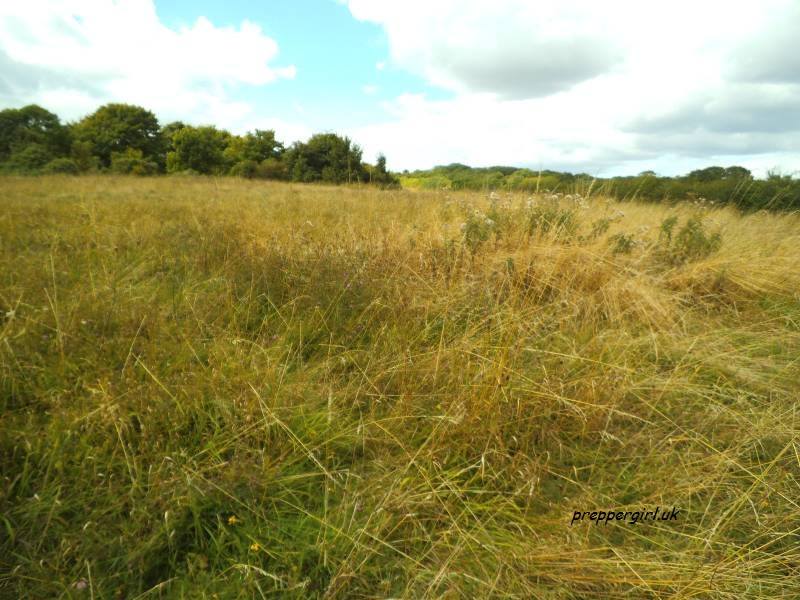
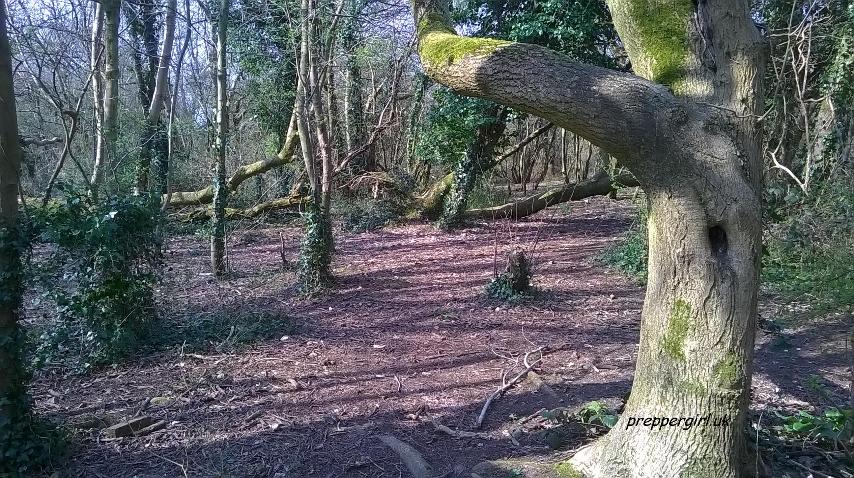
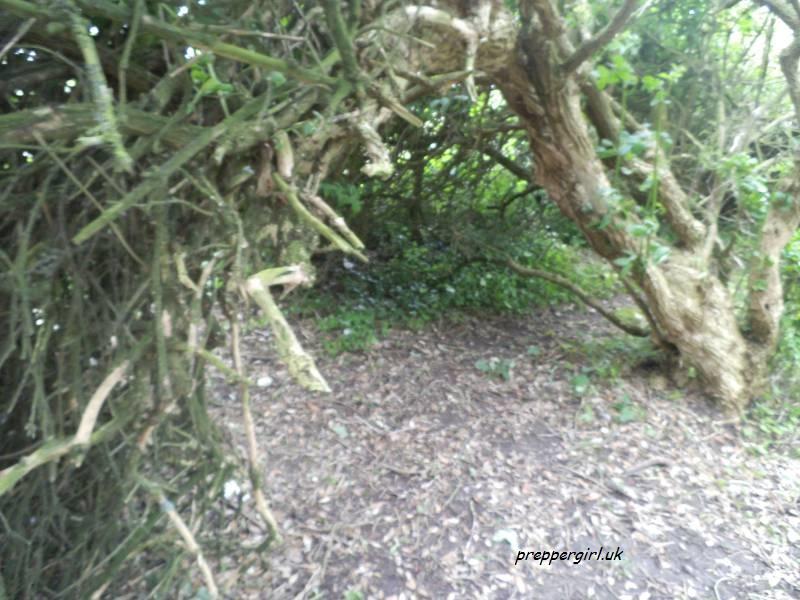
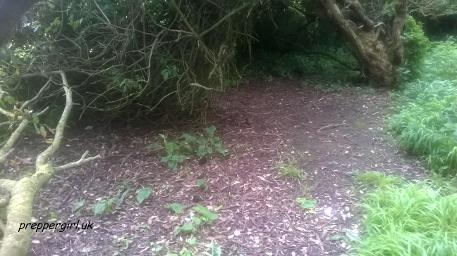
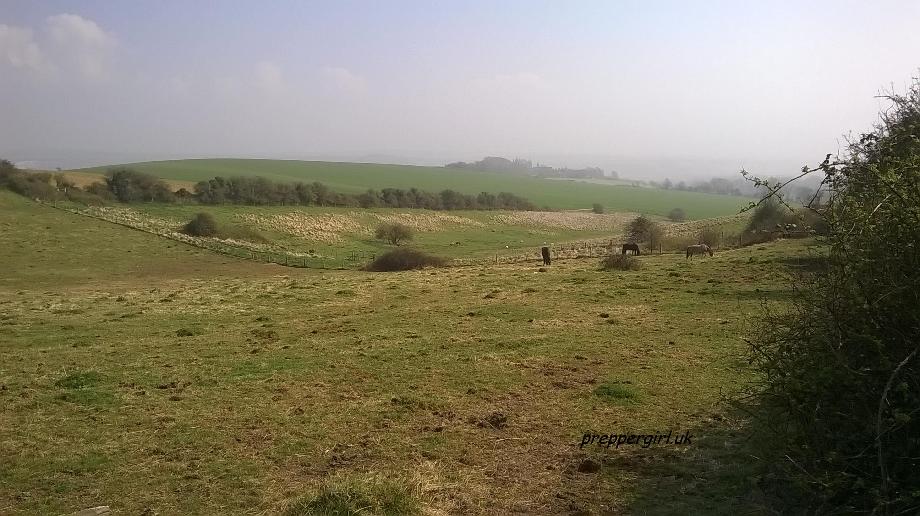
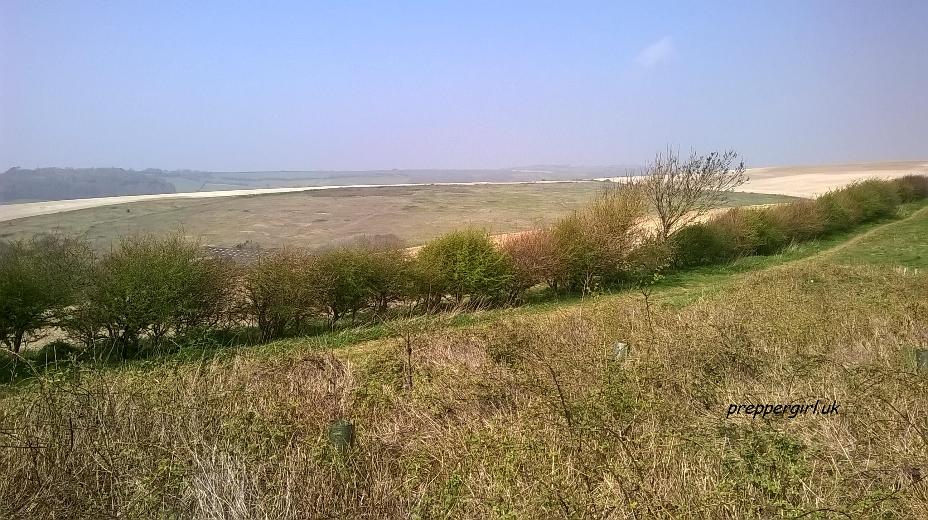
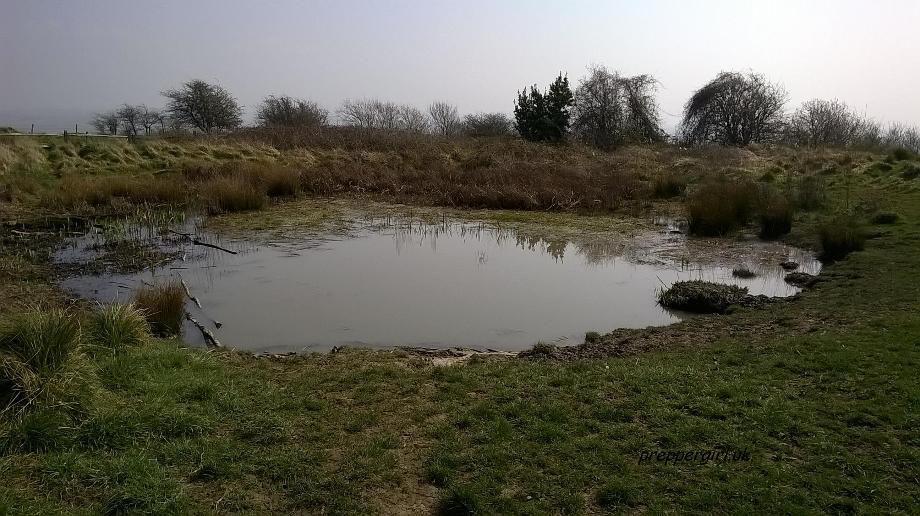
THE SOUTH DOWNS (BUG OUT AREA) 1,600km2



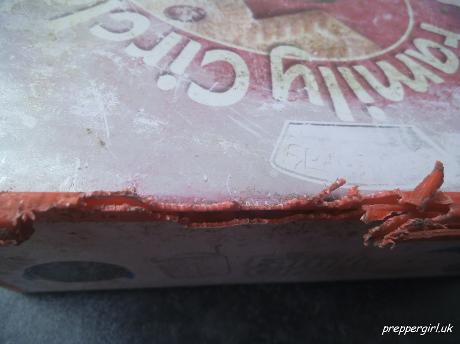
Consider at least a small buried stash at your bug out, or if your bug out is far a few stashes on route. Remember even if you do not use your bug out and can remain safely bugging in at home storing in other locations means you have additional supplies if you run short or have them taken/destroyed at home. It would be ideal to have at least a minimal store / stash at your bug out location. If you intend moving stores via your vehicle to your bug out and have to abandon it for some reason there is only so much you can carry. If you intend to bug out plan ahead, stay aware and leave early.I have some of the plastic biscuit boxes pictured below buried, the seal is air tight with exception of the break tab on on corner (i tested in water) so i seal the corner with a little 'hard as steel' putty. Method has worked for over several years now and still does.For a little water storage i have used 2 litre soft drinks bottles. A word of advice about storing this method, ensure your hands have no food smells and what you are storing is airtight packed or you will find the box up, open and empty. I pack nuts, dry pack fruit, some tinned foods etc, i bin bag wrap the box twice and bury well. If you bury a single large amount, you could lose the lot through various ways, remember the saying not to put all your eggs into one basket ! Smaller units are easier to remove and transport too and even if a couple get damaged or suchlike you still have the remaining, it is certainly cost effective on a budget as you can slowly build up your buried stash this way. Remember to plot your stashes though, log food dates and remember a food/water rotation table as with your main store. Below, i use these containers, have built a small stash over a few years, only had one 'attacked' by something (second pic).

FROST DEPTH
Consider the frost depth if you bury anything, also known as the frost line, the depth moisture in soil can freeze, this can vary alot depending location and relevant conditions. You can measure this using a max/min thermometer, assuming they are buried roughly around the same area and depth the temperature of all boxes should be roughly the same. I found that researching building regulations they are way over the top, for safety reasons i assume, i have gone down approx 30cm. Consider also the way the land lies, do not bury in a shallow into which rain water will collect and drain.
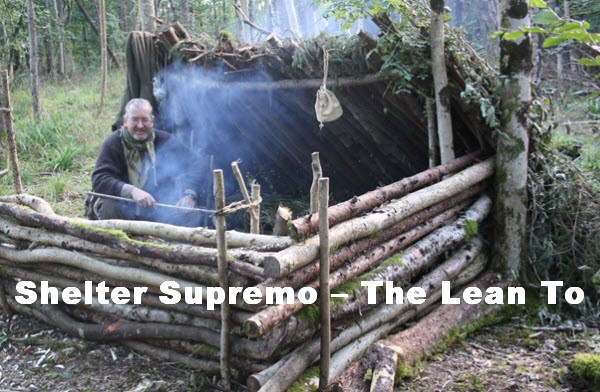
So what to do ? Bug in or out ? You have your bug out location, but could you really survive ? Yes i know the You Tube videos say you can ! Due to ever ongoing health reasons i know myself i'd prefer to bug in anyway.
Bugging in. You are familiar where you are now, you know your surroundings and the people around you but if the time comes to bail remember to have a tried and tested plan in place. Don't be like us on the first 'dry run' for the bug out, kept the roof top box ready and stocked to simply load onto the car roof, us two girls just could not lift it high enough to get it on the roof ha ! Had to unpack half of it first then reload, now we carry the box mostly empty with items bagged for quick packing. A note previously mentioned on another page, i pack extra strong bin bags with most stores, this allows for quick removal in event of having to load and leave quickly.

Bug In
1 You know your home and area
2 Everything/preperation/stores are in place
3 You are around people you know
4 Network formation maybe possible
5 It is more comfortable than bugging out
7 Staying could keep your home and contents safer
8 More practical with infants/young/sick or elderly
10 You know exactly how long your stores will last
12 If you are away from home but you have a plan in
place your family will at least be prepared.
13 You will not become so bored
14 Psychologically, medically and physically it would be better
Bug Out
1 Extreme weather that leads to destruction of
property and infrastructure2 Severe hostilities/rioting
3 Nuclear/chemical or other man made disaster
4 Authorities designate your area for evacuation
5 You are away from home
6 Natural disaster such as earthquake, bushfire etc
7 You could not pay the rent ! : )
2 Extreme weather such as flooding could destroy
much of your stores and leave your home
uninhabitable/destroyed with nowhere to go
3 A local man made disaster/incident could render your bug in unlivable
4 You could be in severe danger in the case of civil
unrest/rioting
5 Authorities may deem it necessary to evacuate
your property
2 A family member or even yourself is too ill to travel at the start of the scenario
3 You are too far away at the start of the scenario to reach your bug out
4 The equipment/items you can take are limited
5 You are leaving everything you have worked for with the possibility of finding your home empty upon your return
6 The possibility of severe psychological distress
and the possibility of aggravating any ongoing
medical conditions
7 You could encounter severe unrest on route
including theft of your items, vehicle or worse



Obviously, there is a certain degree of risk here, whether we approach the subject of animals or people, this will vary vastly depending on your location and the scenario that presents itself. Remember wherever you are not all people have good intentions either ! Whether you are in the bush, local woodland or anywhere a risk always exists in some form. Safety of your bug out or even more so yourself should not be underestimated, sooner or later it will be time to get your head down to sleep when you will be at your most vulnerable. Bugging out in a wildlife area too will also vary greatly depending where you live, not likely to get crushed to death by stampeding rabbits in the U.K, back home pitch camp around multiple grouped tracks near a favourite river drinking spot, a sauntering group of 7000kg elephants, although not deliberate, won't do you any favours cosmetically, know your region risks. Here are a few basic tips, obviously not all are applicable to all regions.
1.Never leave or store food in your tent, not only can it attract hungry wildlife it can lead to a dangerous situation. Always store food in your vehicle or failing that in sealed containers, dispose of any food scraps a distance from your position never leaving any out at night. Do not leave any unwashed food utensils around unwashed, wash your hands after food .
2.Always keep your tent zipped up, it keeps the bugs, scorpions, snakes, wild animals etc out. Wildlife in general don't see a tent, they sees a shape so generally leave it alone although exceptions have occurred.
3.Do not venture out on your own during nightfall or always ensure that someone else is either with you or that they are aware you are going outside, if radio communication is not an option take a whistle. If you are own your own be exceptionally vigilant, if you really have to go outside stay within your safety perimeter, better still wait until morning.
4.Use your common sense, always be prepared for the unexpected do not take unnecessary risks and do not be careless. Think before you act.
5.Keep noise to a minimum otherwise not only will it mean you can be heard further away but it could prevent you hearing an approach.
6.Upon departure leave no sign of your presence especially more so if it is your permanent bug out location.
7.Keep lights and fires to a minimum during nightfall, the last thing you need is a beacon indicating your presence from miles away, you will not be aware of others seeing light from your camp.
8. Consider a watch system if their are 2 or more of you.
9. Always keep your things together, it's not a holiday, you may need to leave in a hurry.



BUDGET TENT
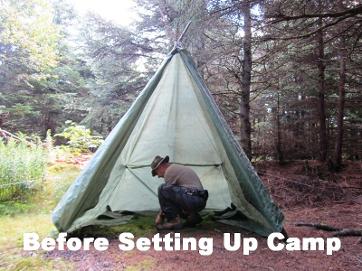
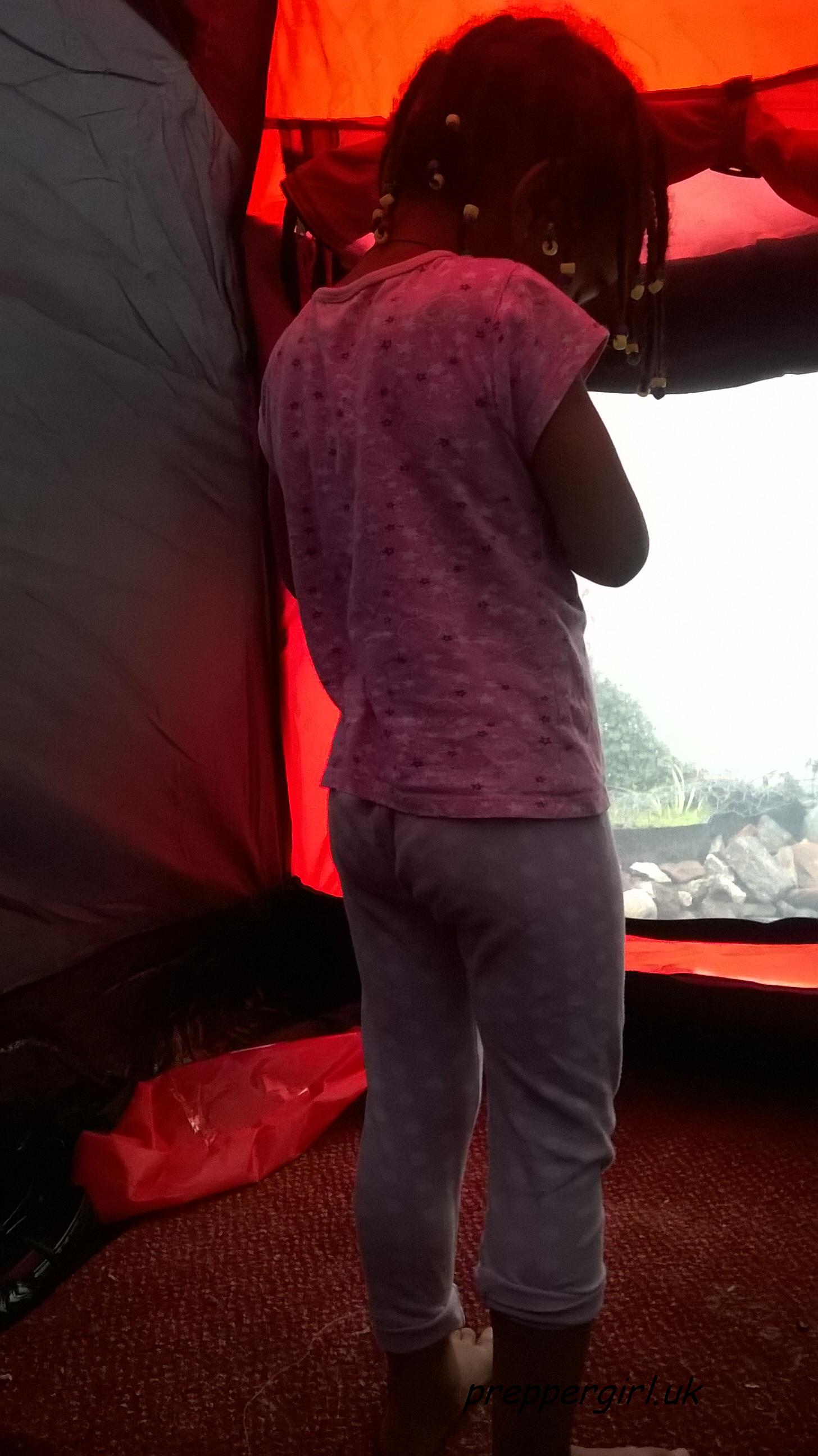
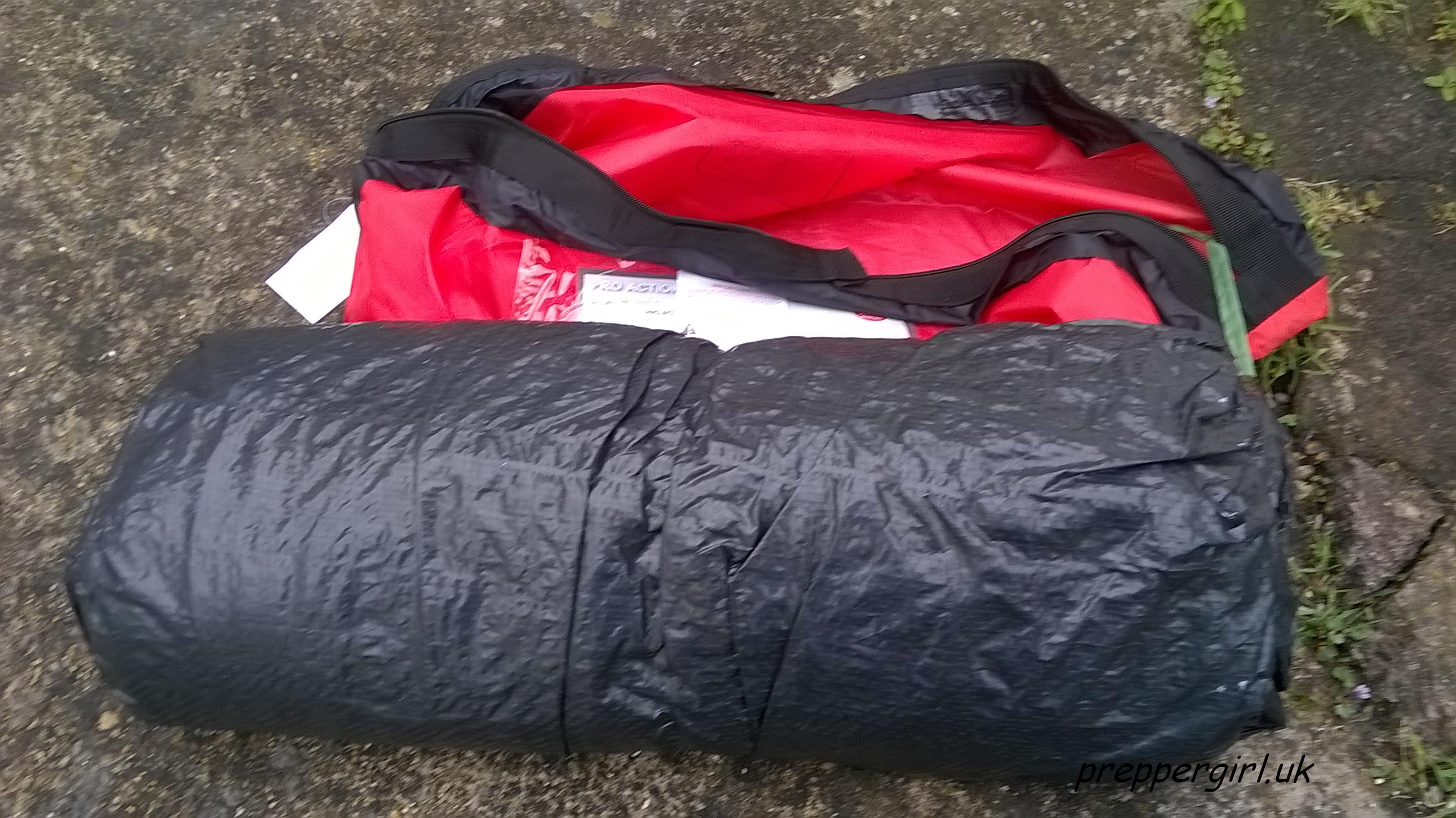
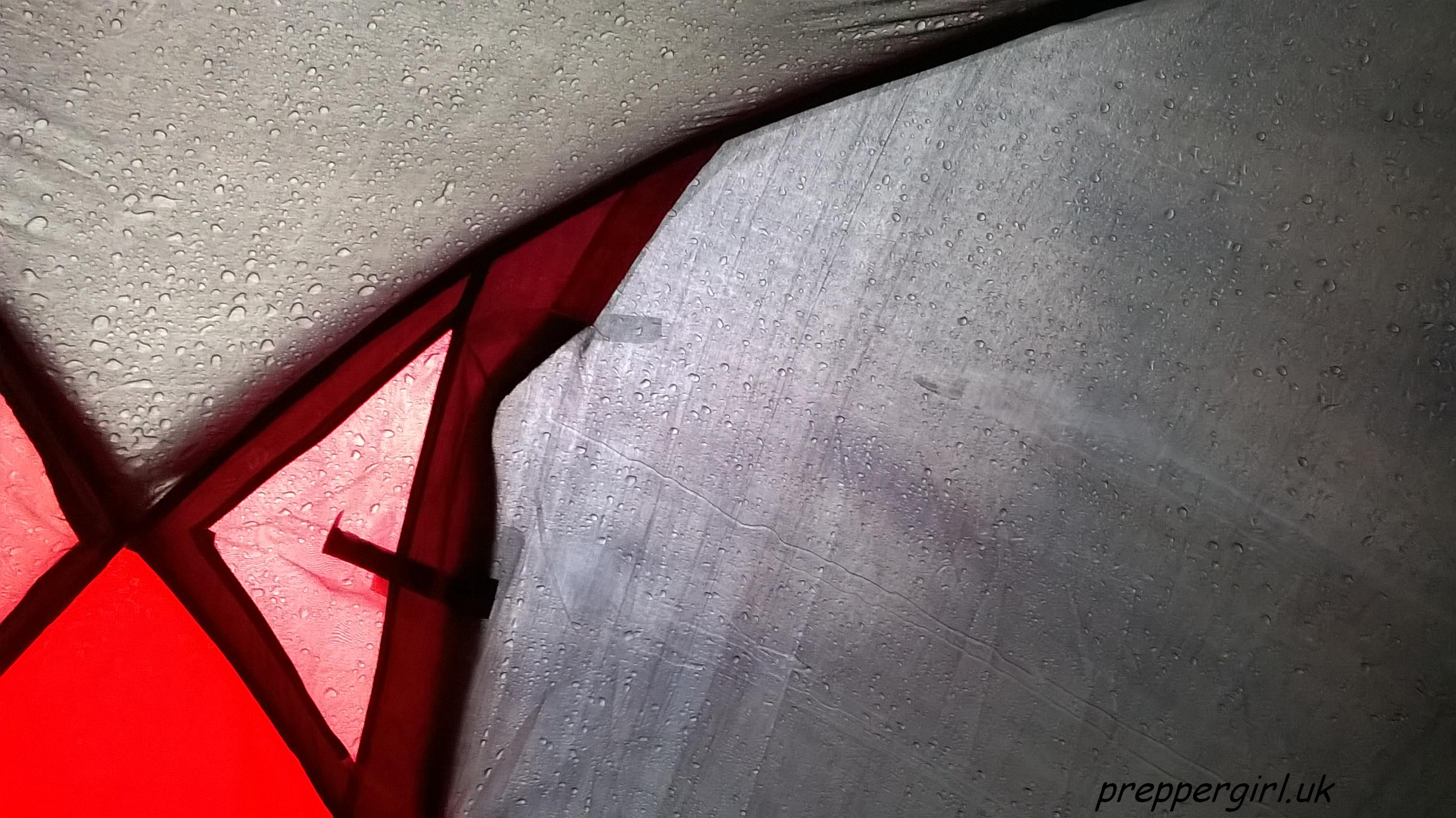
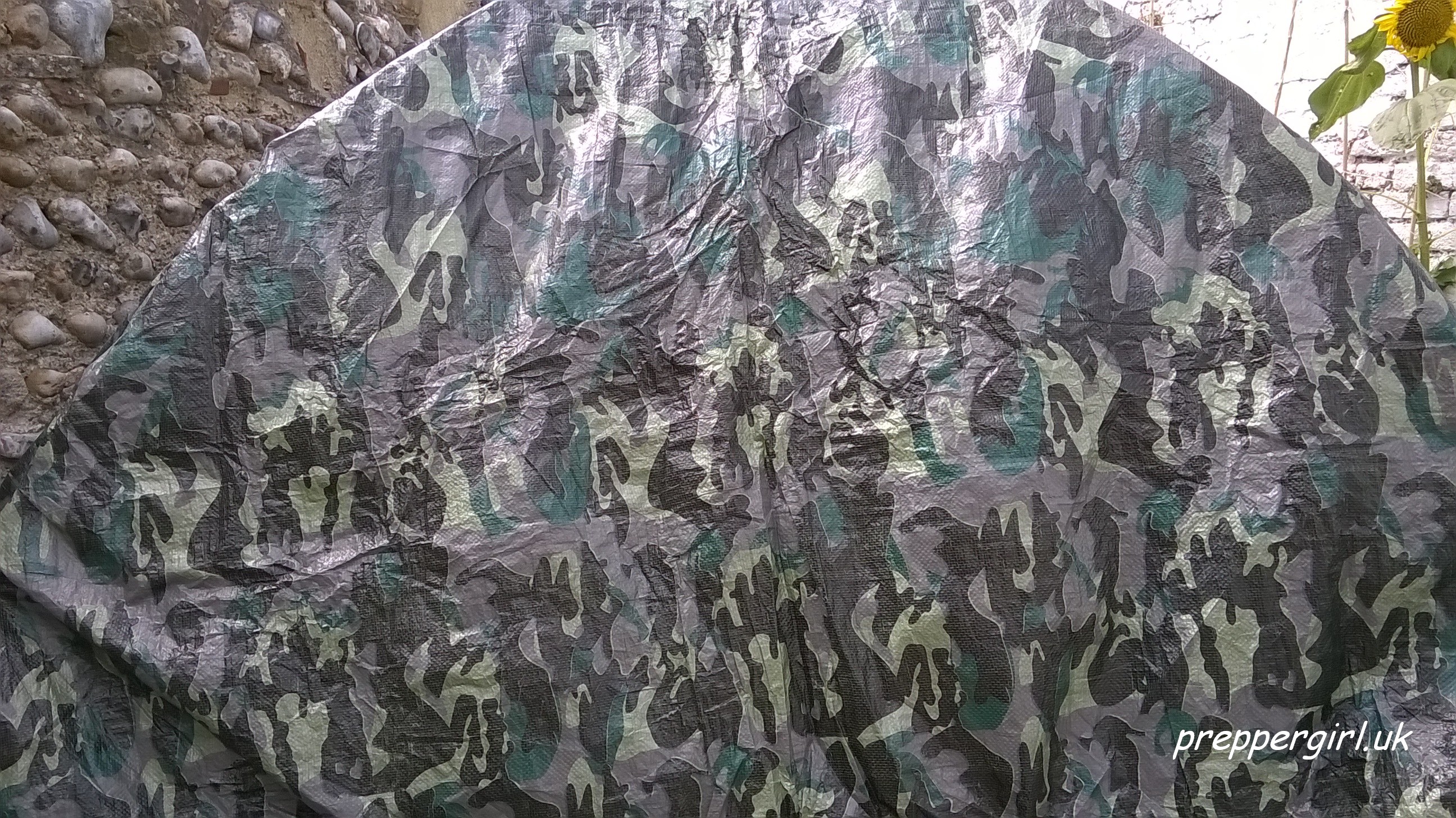
This tent, purchased for childs play in the garden, gave it a months initial trial however it did remain out for nearly a year, out through winter, all weathers, no leaks, no problems with exception of the guide ropes rotting, not a big issue, tent goes up yearly. I did buy another which is stored in the cars roof box, quite impressed with this budget tent of which other sizes are available. Argos.









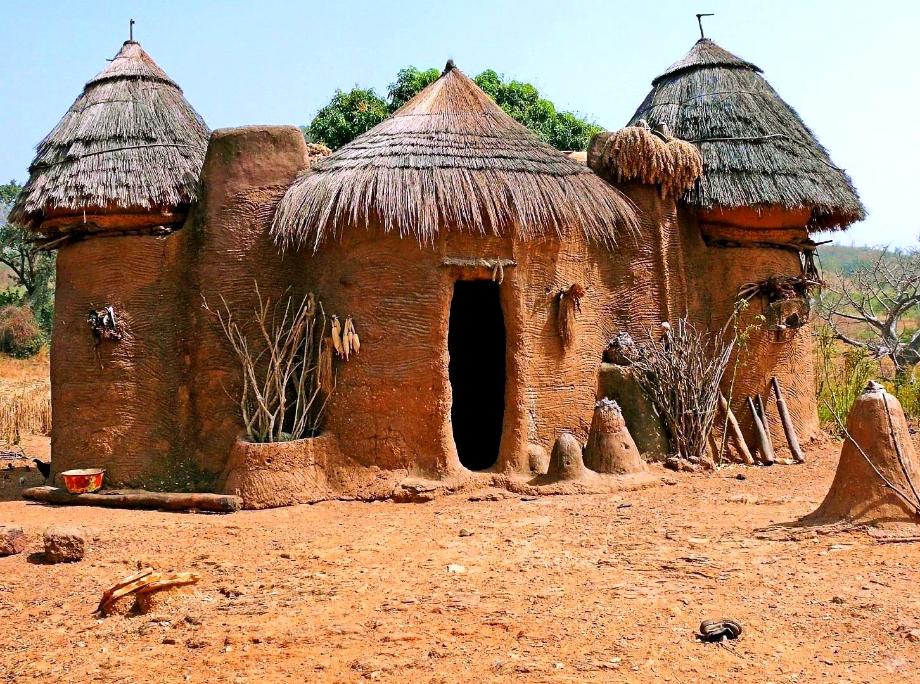
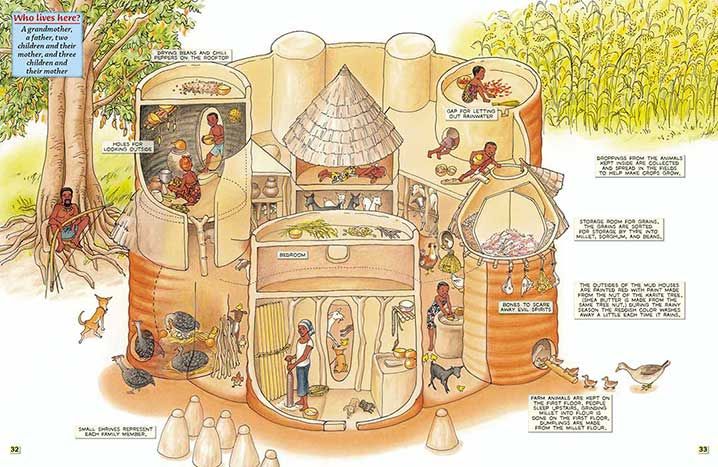
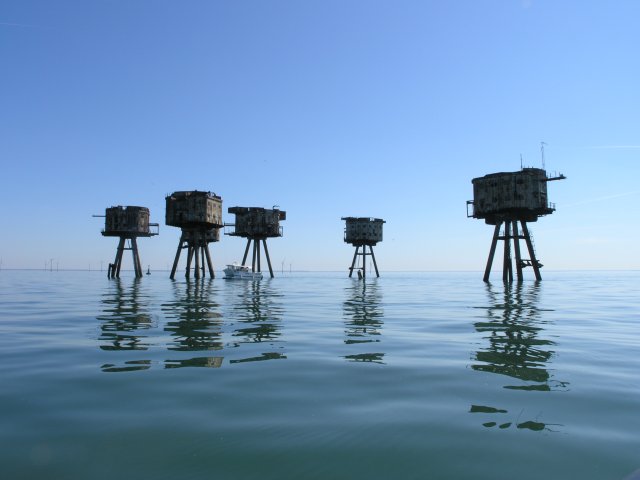
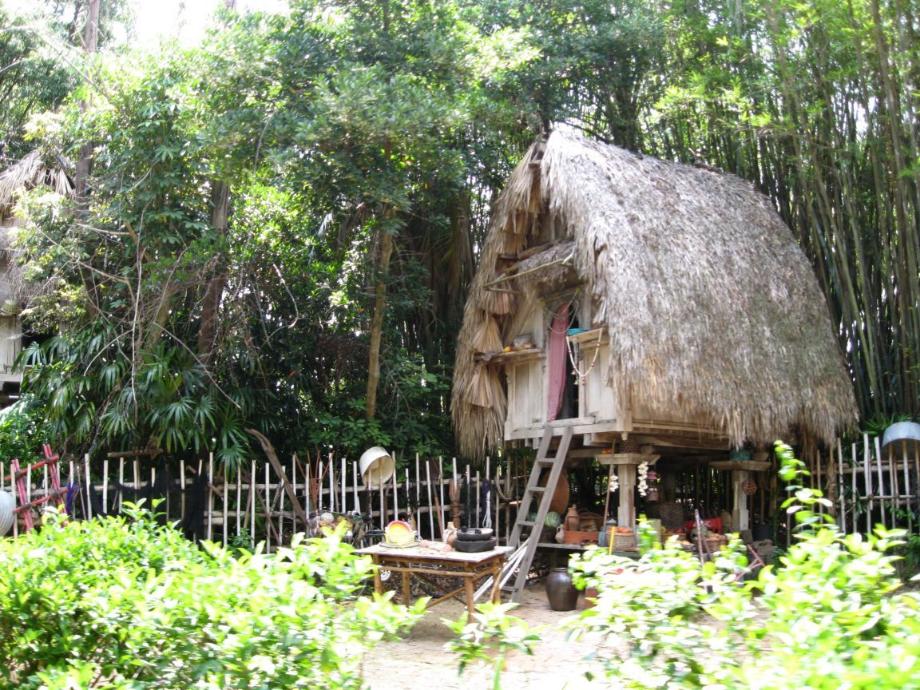
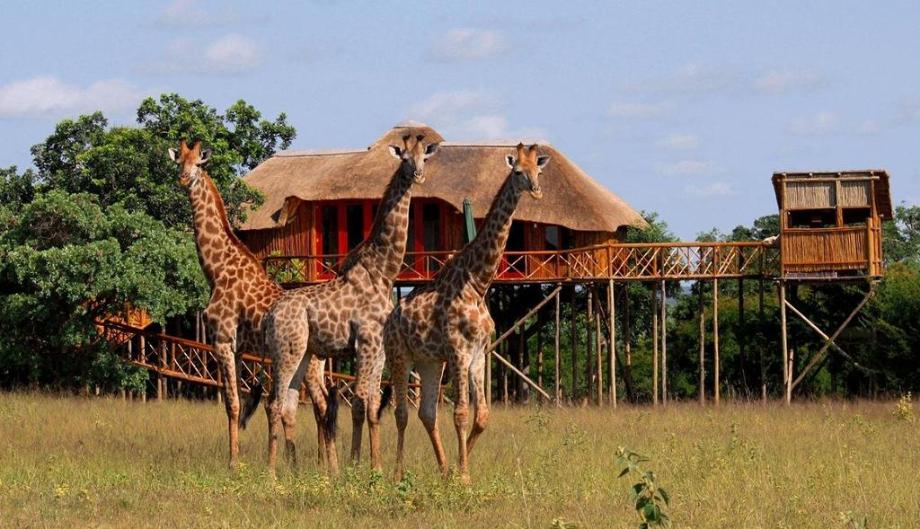
AWESOME BUG OUTS !