PREPPING & NBC / CBRN
- A BRIEF INSIGHT
What is it, as a Prepper, do we really need to know ?
Situations of likely applied NBC use for a prepper in the U.K
1. To leave or pass through a particular area that has become a contaminant zone without getting into physical contact or ingestion of said contaminant.
2. To remain (by choice) or have to remain (due to severe unrest or official instruction) in area of contaminant or one likely to become one.
3. Situations involving a CBRN response could be either man made from an industrial accident or terror linked, natural scenarios could include pandemic through to volcanic.
Now it will depend on the nature and extremity of the situation to prove the deciding factor and indeed your reaction and action upon information available at the time.Possible scenarios could include being present in an area of a likely 'dirty bomb', a nuclear plant leak, a factory fire spewing potentially noxious smoke and fumes into the air, living within an ongoing epidemic/pandemic.
First and foremost reason to Prep? to survive, so with that in mind to remain in any area requiring regular use of personal protective equipment to me is foolish, why would anyone stockpile potassium iodide tablets i have no idea, how many does a person need ?
An epi/pandemic would perhaps be a 'ride it out' scenario at home, everything in place, wait and watch, minimal or no travel/visitors, again it will depend on situation severity and your Preps in place.
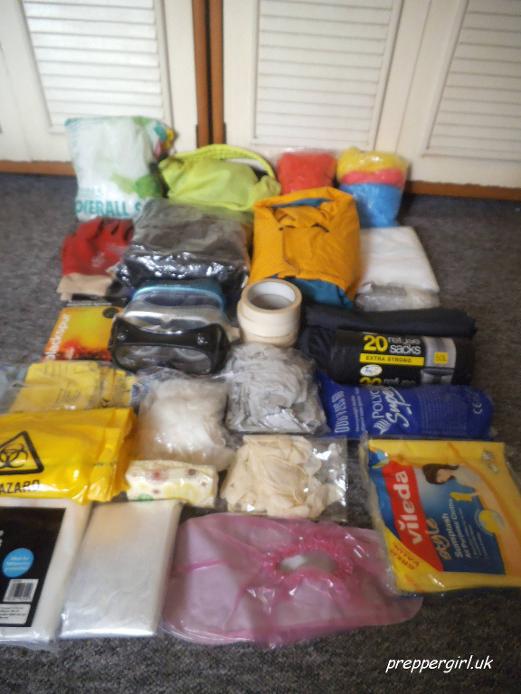
Have suitable tape for the sealing of window/door gaps in the case of a chemical or radiation scenario, plastic sheeting is useful for larger sealing purposes, broken glazing and in the case of epi/pandemic the securing of a barrier nursing room / bed should anyone fall sick polythene sheeting. In the worst case scenario consider it for the wrapping of the deceased before removal.
The greatest asset regarding this type of scenario would be to avoid it in the first place, watch the news, be aware of current risk conditions and indicators, it would be far better to avoid the whole CBRN scenario than have to put a wavy untested plan into play of which there is only one chance of getting things correct, being involved in such an event does not offer a rehearsal if your plans go wrong.
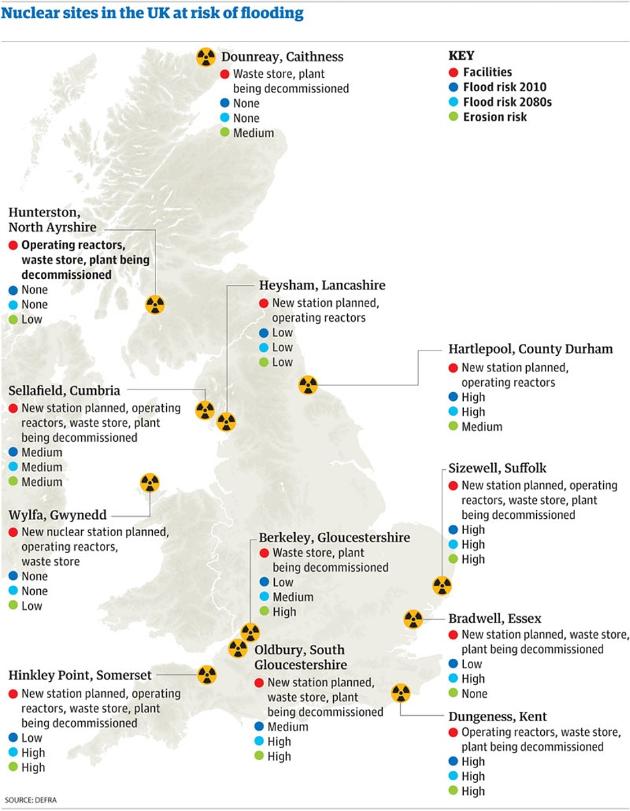
Look at the static risks around you, take note first of your immediate surrounding area, factories nearby, storage depots, refinery, power plant etc then work further afield bearing in mind predominant winds and resulting wind drift of airborne contaminate, look around, just what disaster could transpire from your immediate surroundings ?
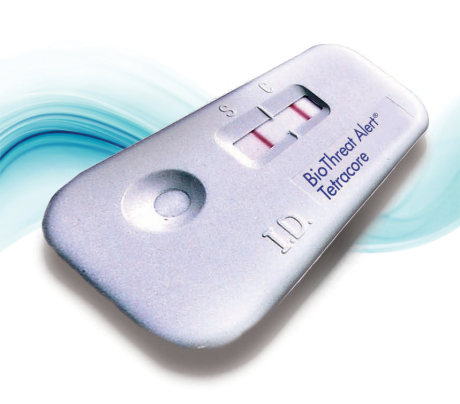
Regarding the purchase of CBRN protective equipment, it is only as good as your ability to detect said contaminate before it affects you, in reality unless you are going to be carrying a complete CBRN kit with you everywhere and all the necessary detection equipment (no not those cheap detection papers from the cold war you got on ebay) i think money could be spent elsewhere, it's all too late when the fellow commuter or shopper next to you starts coughing, foaming at the mouth (among other places) gasping like a feature film from Pornhub and collapses in a heap at your feet.

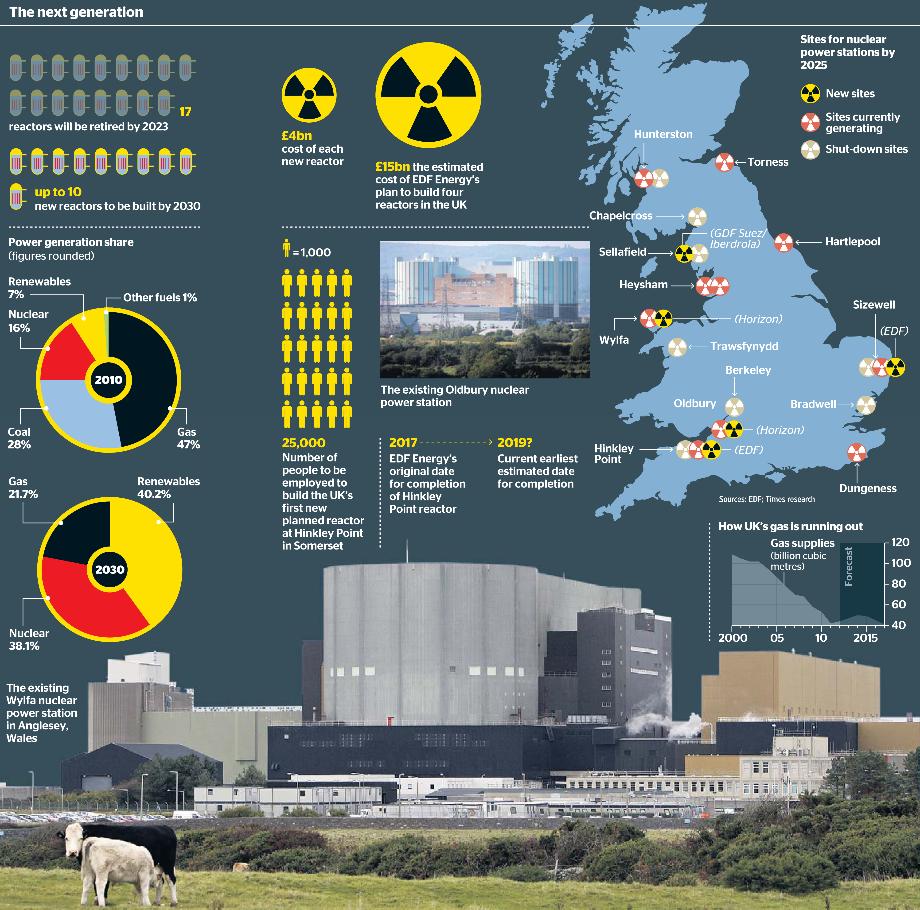
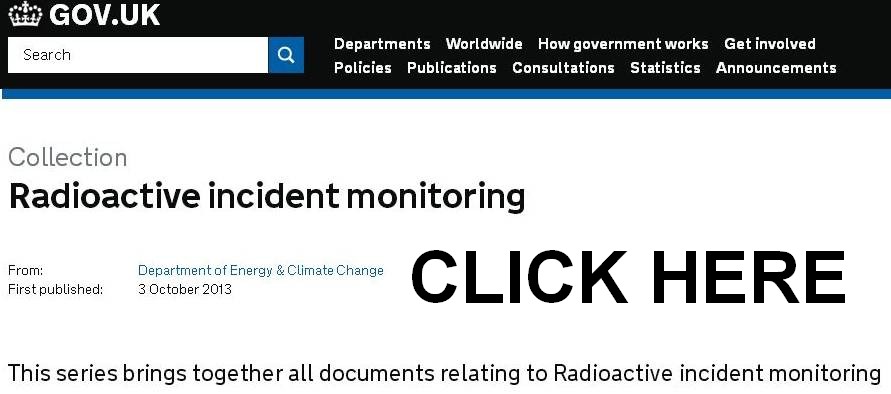
Procedures And Communications in the event of a release of Radioactive Material (PACRAM) PACRAM is a comprehensive service that provides predictions of the trajectory of possible contamination plumes
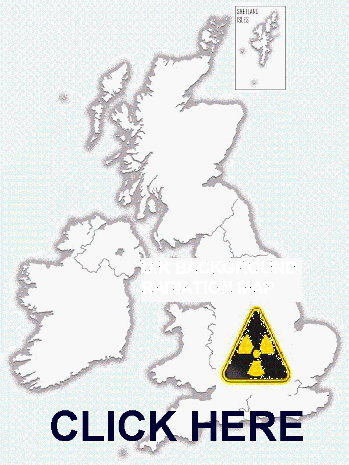
The national radiation monitoring network and emergency response system (RIMNET) RIMNET has a network of 94 fixed gamma dose rate monitoring sites across the UK, automatically measuring, analysing and informing on background radiation levels 24/7
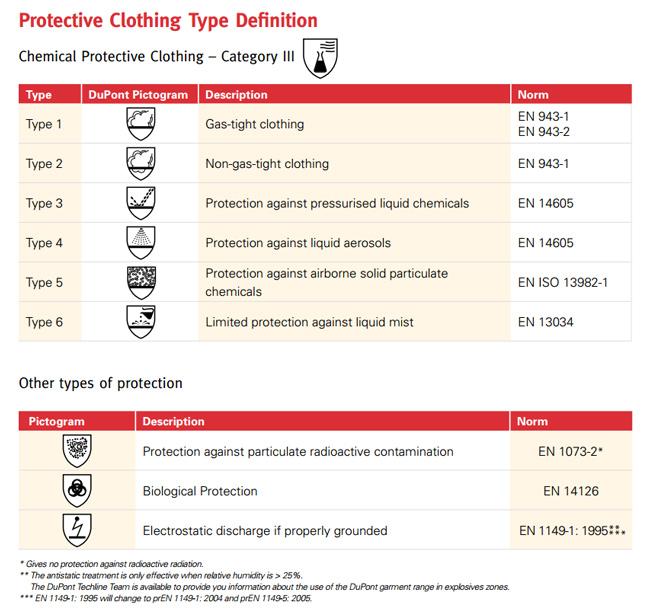
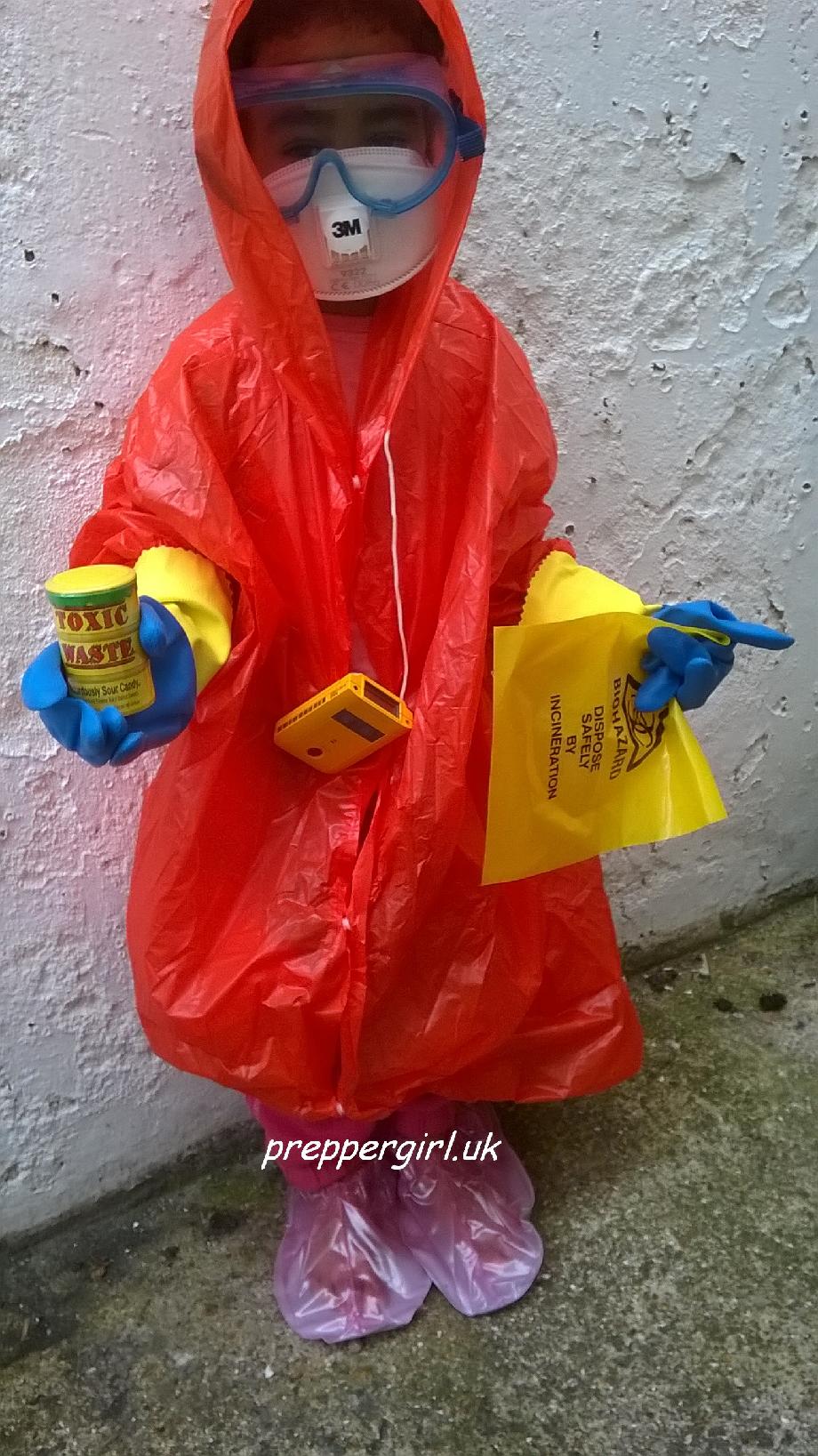
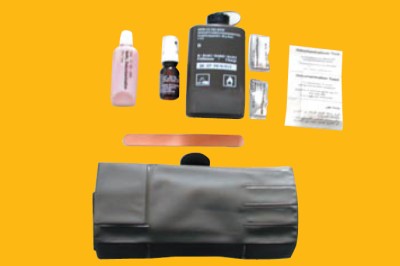
MOST OF MY CBRN KIT
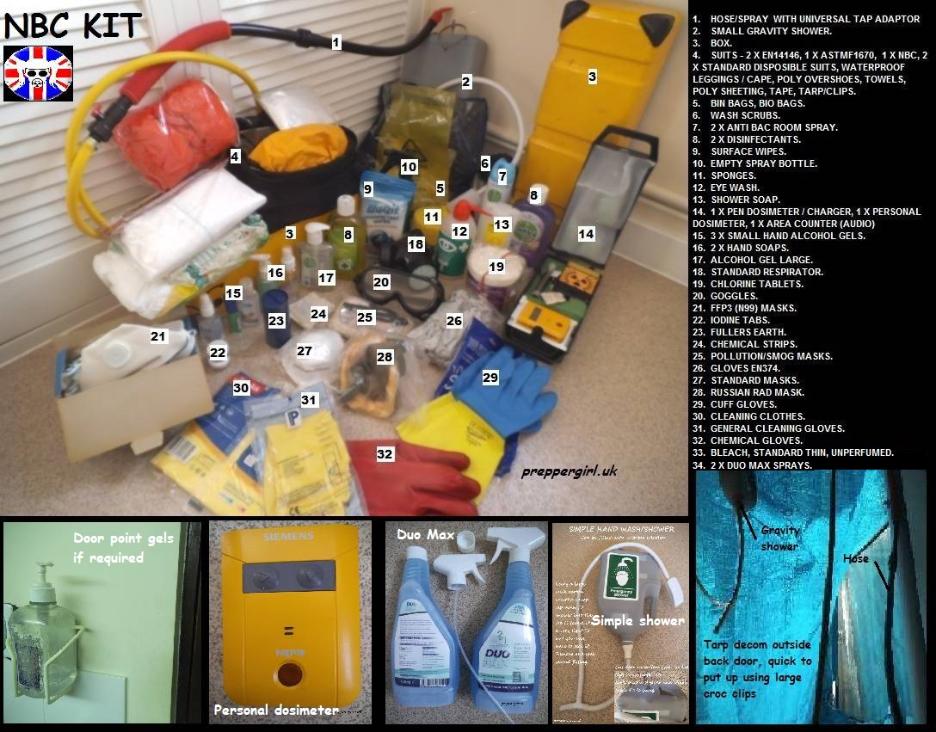
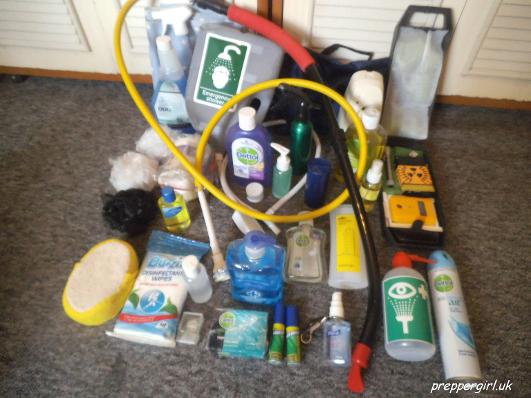
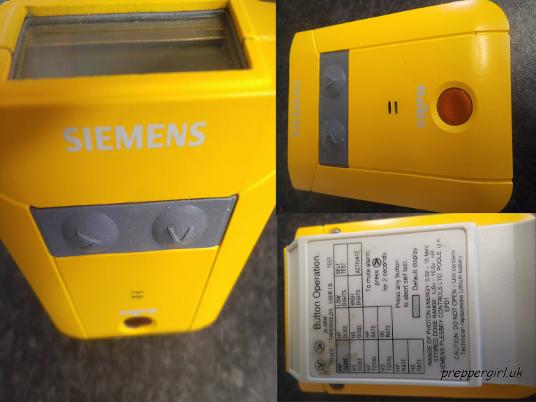
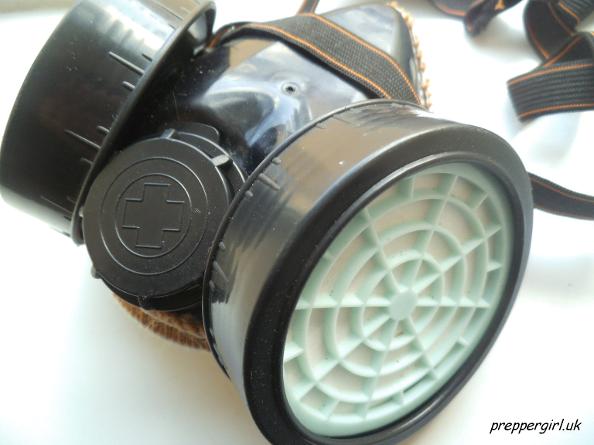
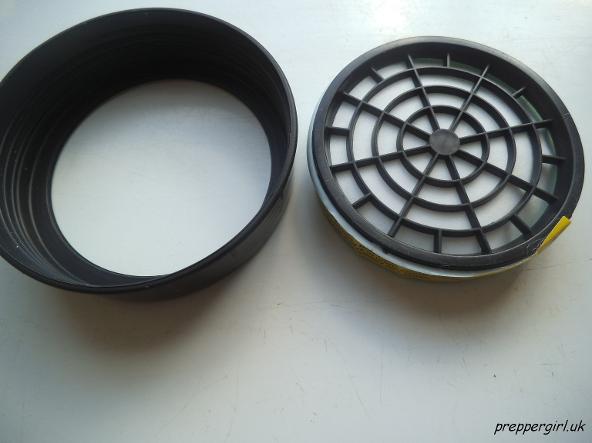
MASKS AND RESPIRATORS
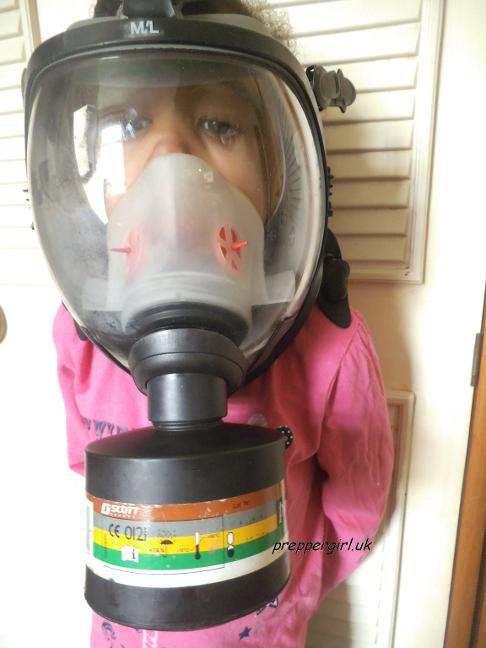
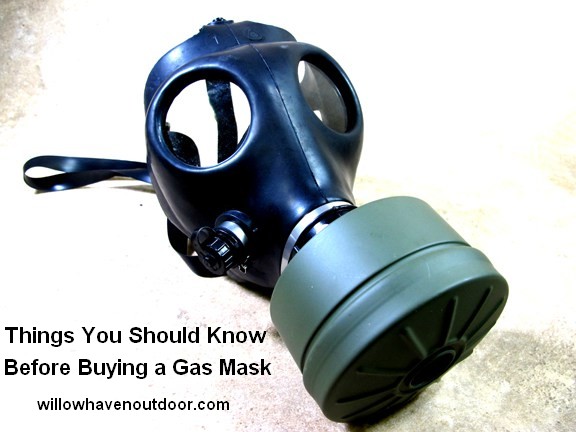
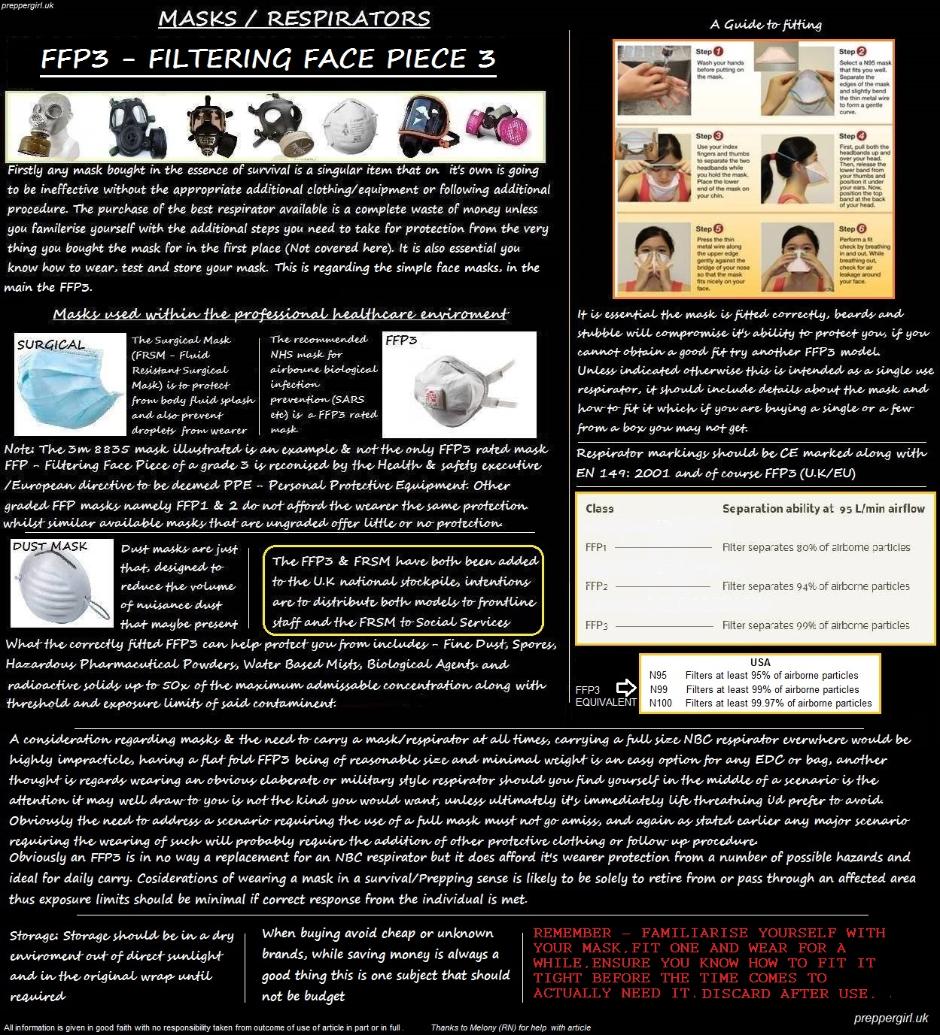
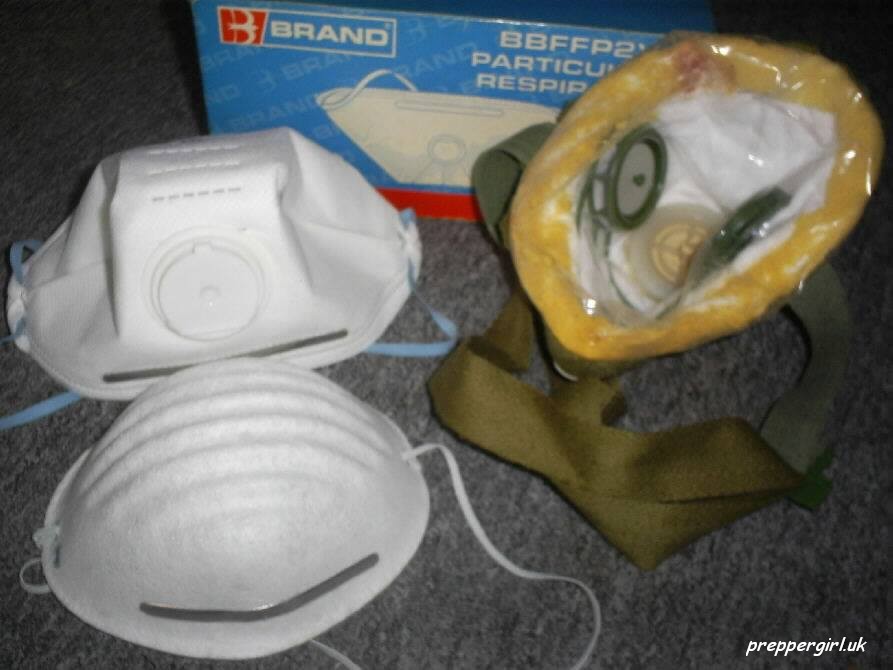
Much written about in the Prepping world regarding masks, just what we buy is up to the individual as with anything and indeed the applied budget coupled with a 'tsunami of varied advice' regards as to what is right or wrong. Going by U.K healthcare recommendations a widely stocked mask within that industry is the FFP3 (N99) graded mask, stocked for reasons of viral/bacterial protection it also has other qualities which is mentioned within the information chart below. The FFP3 mask is stockpiled by government for pandemic.
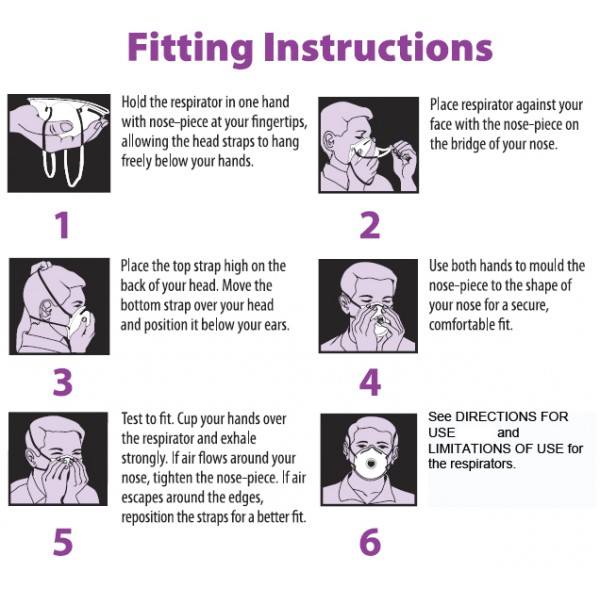
REMEMBER - No mask on it's own will likely be of much value to you unless accompanied by the use of additional protective equipment and the essential additional procedure which some extent extends to detection equipment backed with the knowledge that applies to same and situation in hand. Buying stuff just because you think it's a good idea as you saw it on You Tube or your friend Fred has one is not only a complete waste of money but gives you a false sense of safety.
Wearing a mask in a serious unrest situation ? Sounds a good idea, tear gas etc but consider the grey man or woman aspect, wearing your military grade or other hi tech mask may just get you more attention than you bargained for, better to cry with the rest looking rough than die like a fool looking pretty.
Four concerns here if wearing military or high grade equipment in an unrest situation.
1 The crowd think your one from the 'otherside'.
2 The 'otherside' think you are a ringleader.
3 The unrest side want what you have.
4 Nobody likes you because you look like trouble anyway.
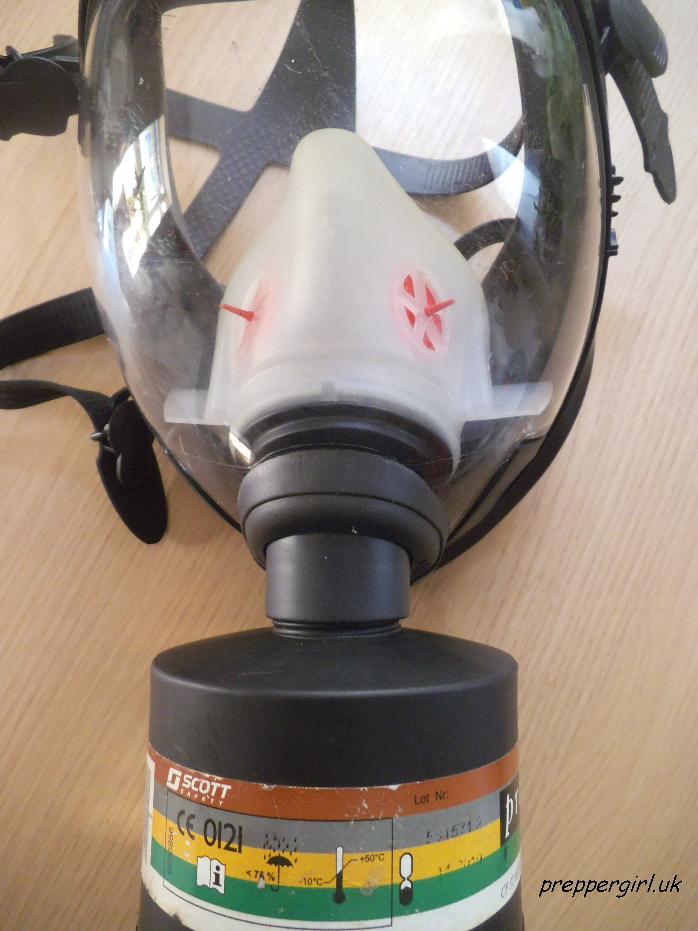
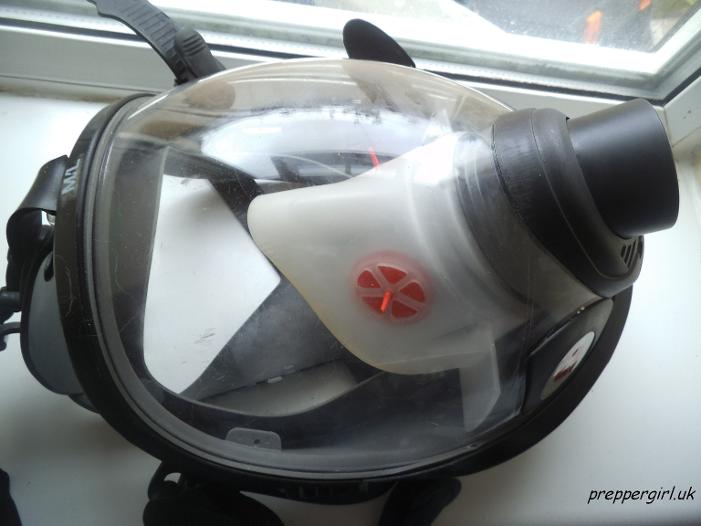
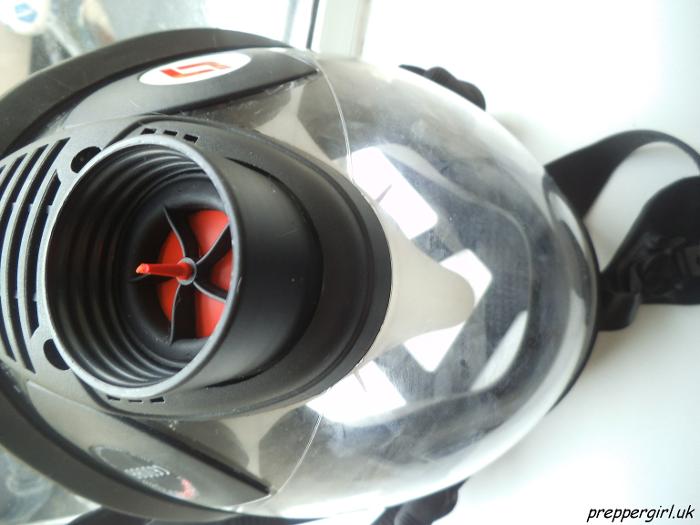
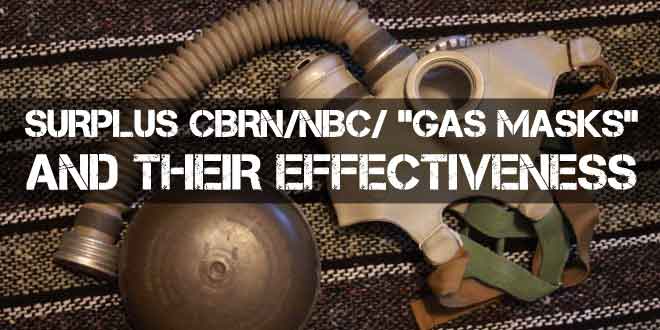
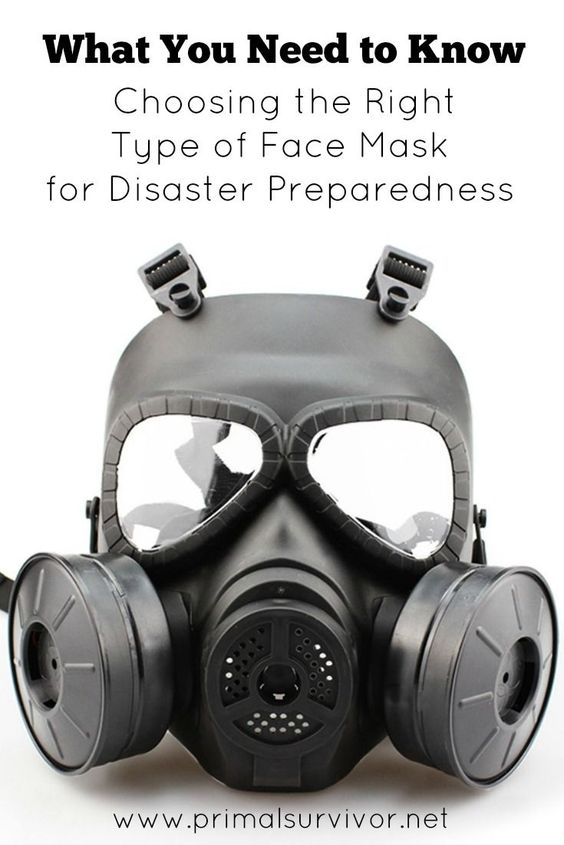
Military masks are not 'general working comfort' masks , seriously are you seeing yourself charging through gas laden undergrowth with the glow of a nuclear plant meltdown in the background whilst being shelled by chemical attack ? no me neither ha, military masks are just that, for the military, tough and designed for it's wearer to task under heavy conditions to ensure that said task is completed, not exactly designed for aunt Ethel being hideous by design (the mask, not aunt Ethel) often with a lower visibility field and not always the best regards comfort.
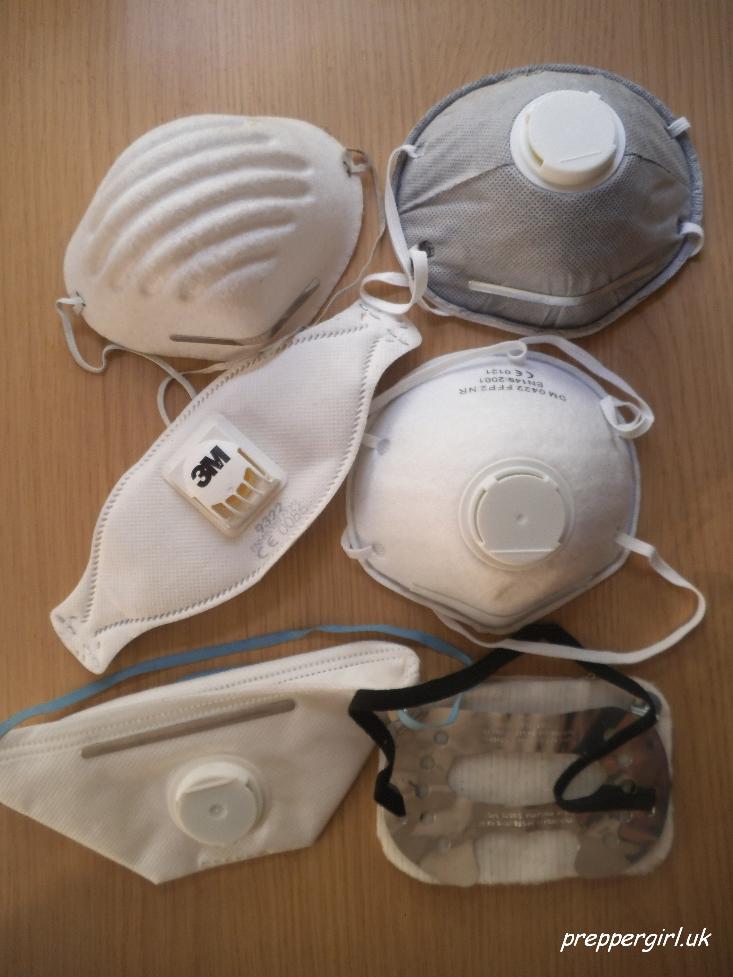
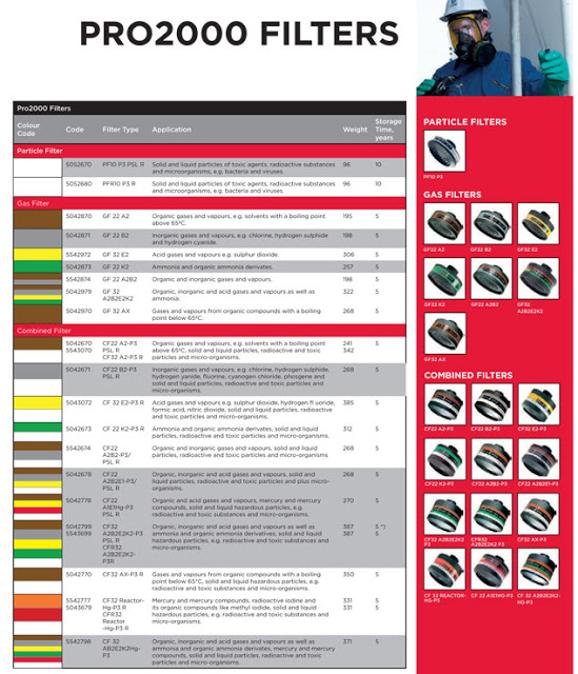
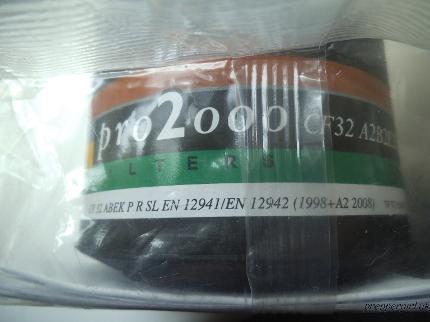
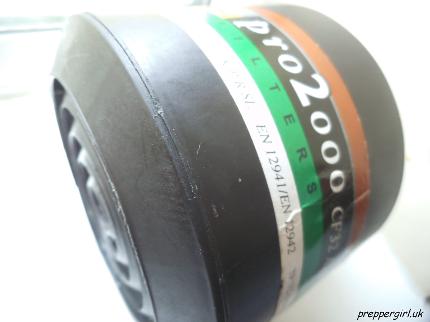
Make yourself familiar with civilian models, many filters available to cover any scenario requiring respiration support and conform to the same, if not exceeding, the exacting standards for protection. Many preppers seem to stop looking when it comes to this topic, N95 and military masks seem the basis of conversation and purchase.
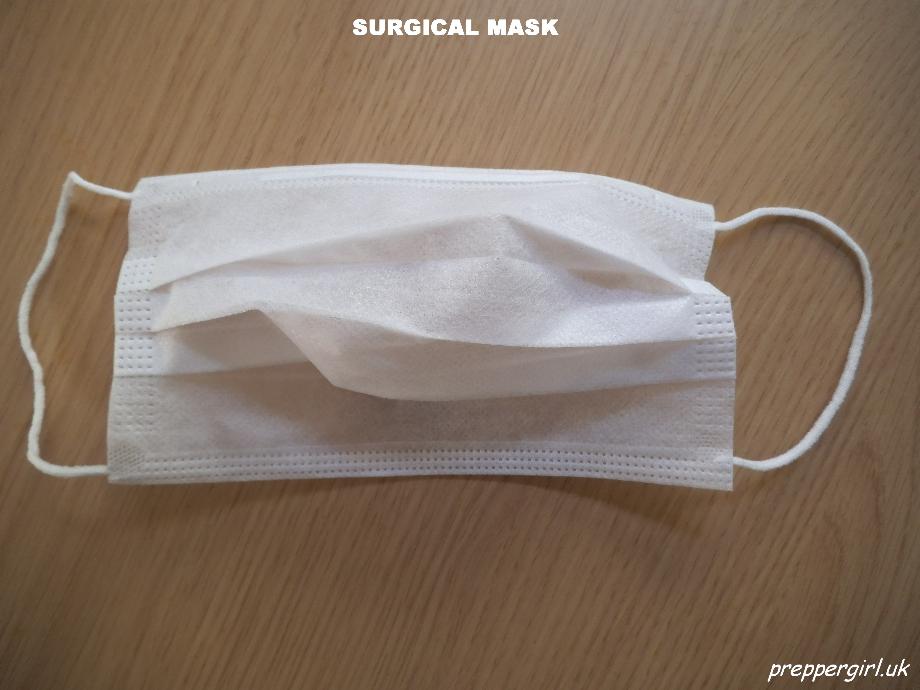
A full respirator should be an item of kit you have to wear briefly to escape a serious situation for which you should already have a plan for, you are not going to live in it or need stacks of filters for it unless you sadly have no plan to escape. Basic approved FFP3 (N99) face masks are however worth stocking and which you are likely to need more so including Type2 surgical masks which should be to standard 14683:2005. Your minimum mask at least should be the FFP3, to ensure it it of standards required it should be marked EN:149 / 2001 FFP3.


CHEMICAL
Likely chemical exposure in respect of Prepping ? Unless you live in a war zone the chance of meeting up with military grade chemical weapons exposure is extremely unlikely, however the chemical/terror risk is about although to a lesser degree but apparent regards localised risk from some factories etc.
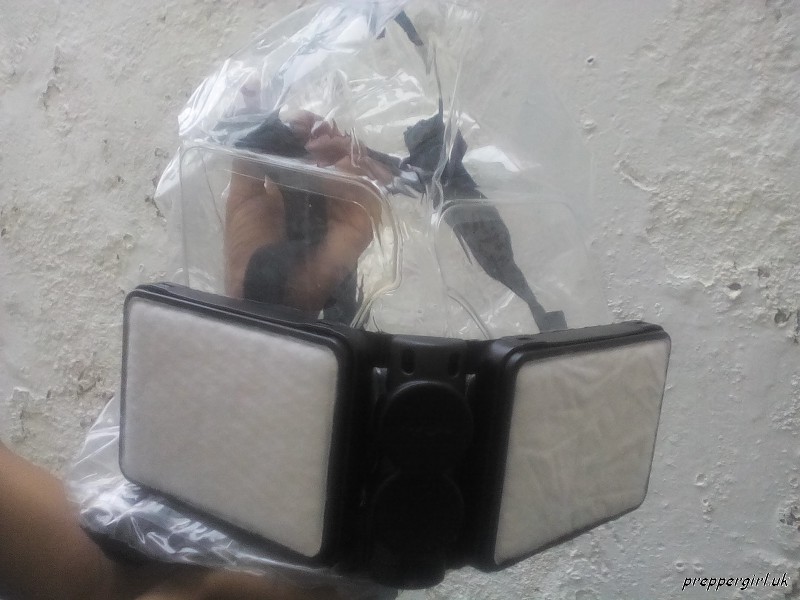
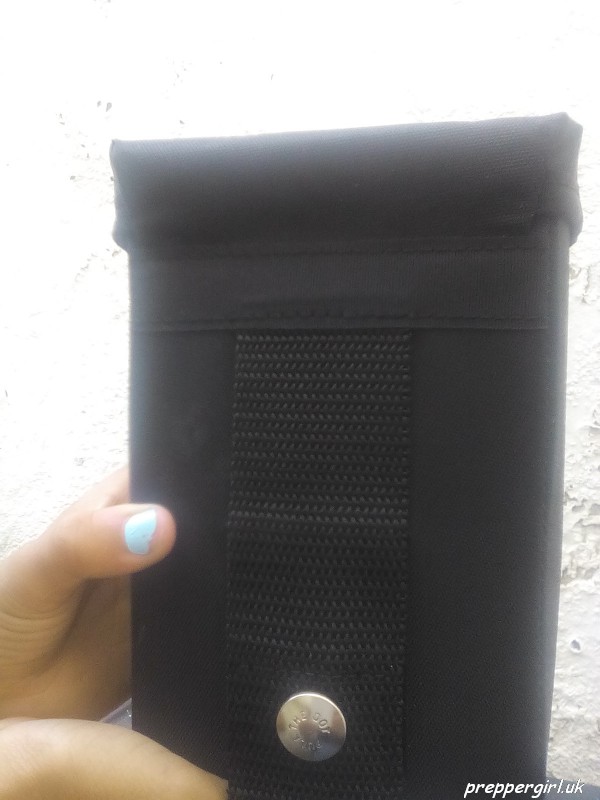
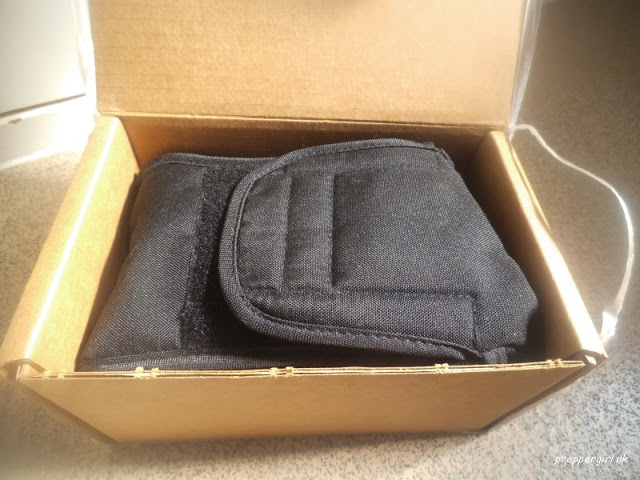
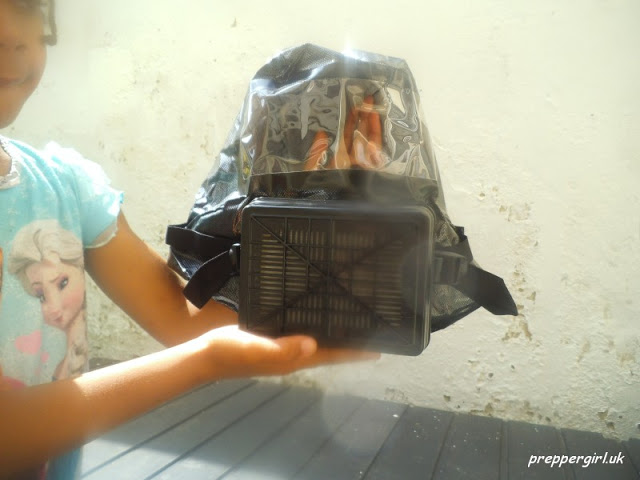
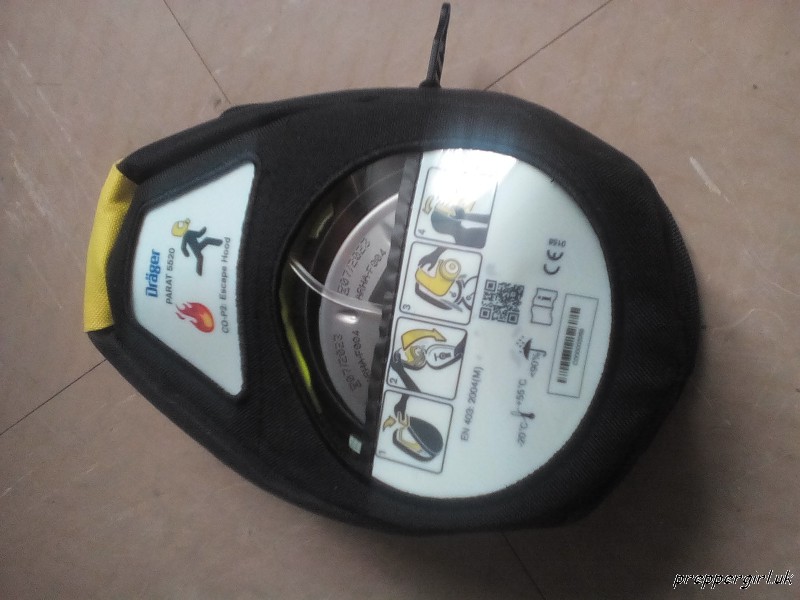
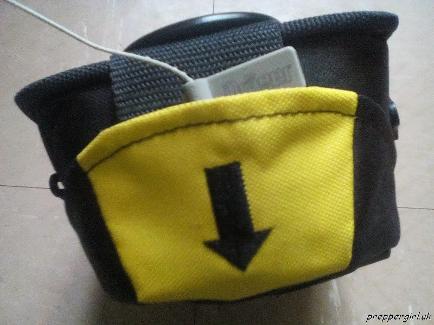
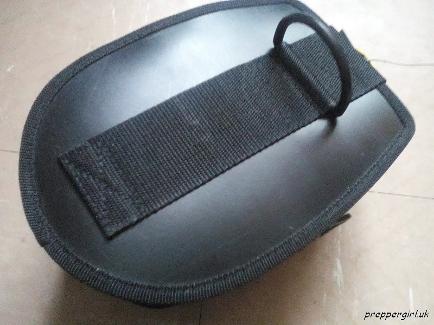
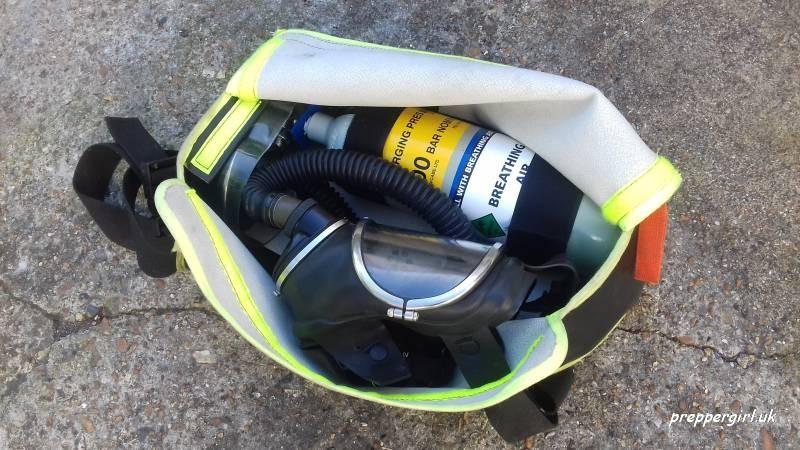
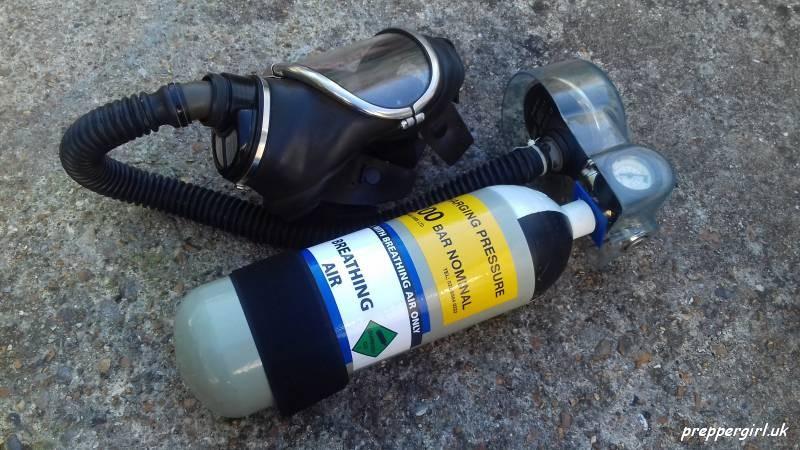
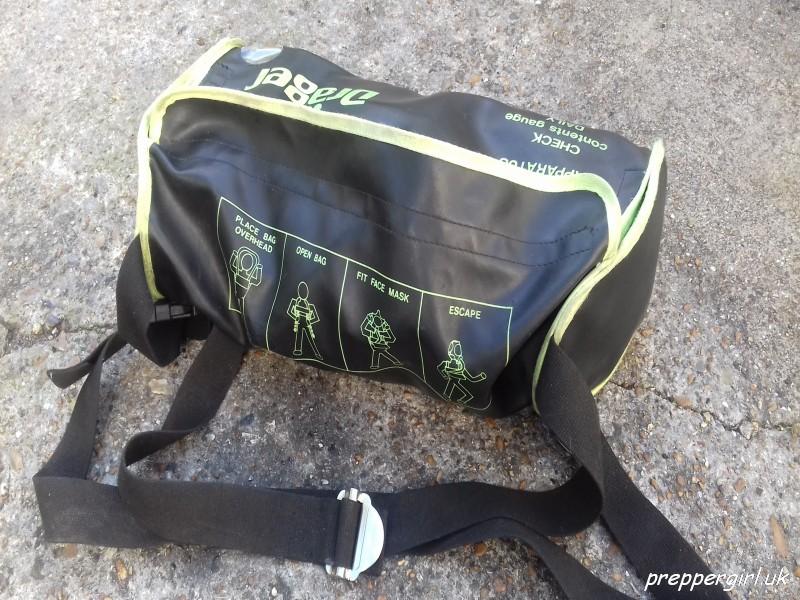
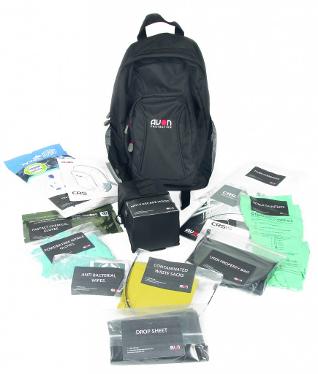
Sarin terror attacks we do indeed have recollection of in the news notably the infamous 2 attacks in Japan, wind dispersed Sarin during the first attack which caused the death of 8 with hundreds having hospital treatment. The second attack on the underground system killing 12 with several thousand more ending up affected. Of course Sarin is not the only chemical that could be used in a terror attack. So where does it leave us ? For me sensibility enters the equation, I for one have no wish to carry a cumbersome kit on a daily basis for the least likely, that for me is a totally impractical and rather impossible idea. My only mask 'carry' is a basic in my mini EDC and a FFP3 in the larger EDC and BOB. Emergency CBRN escape hoods an option though.
Looking at the likelyhood of chemical, biological or nuclear use within terrorism cannot be ruled out, the U.K government recognises this as a potential threat.
Mock attack simulation in London.
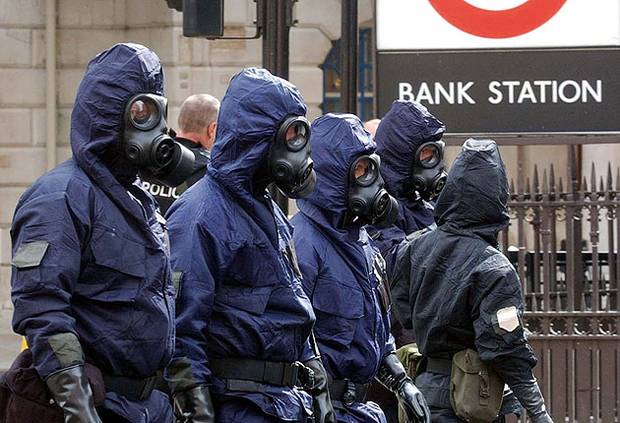
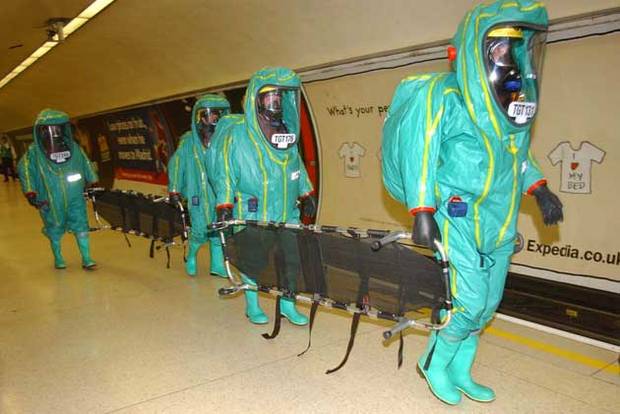
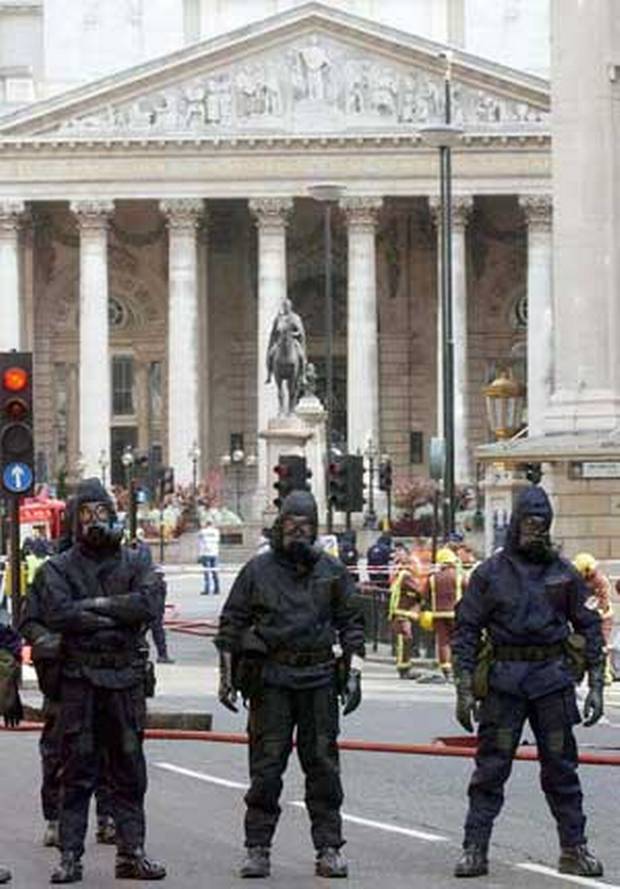
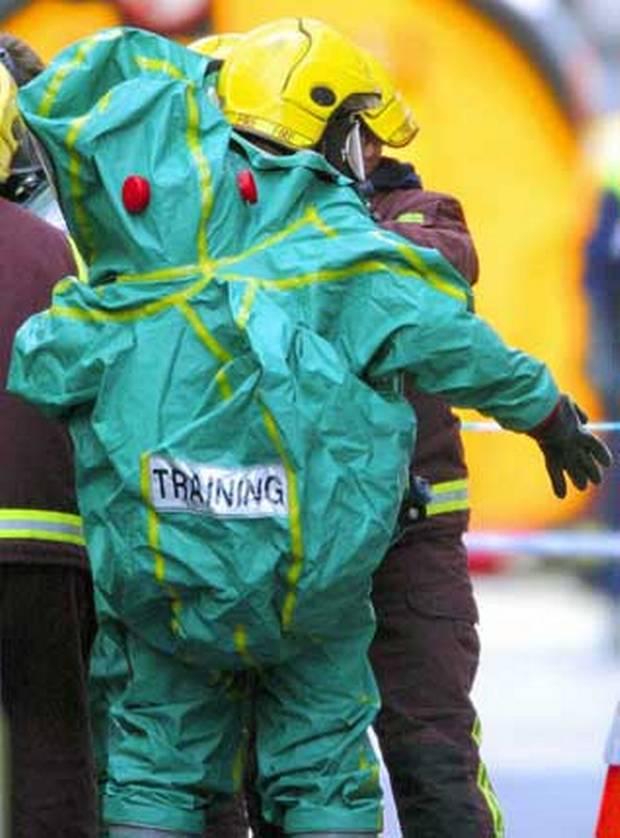
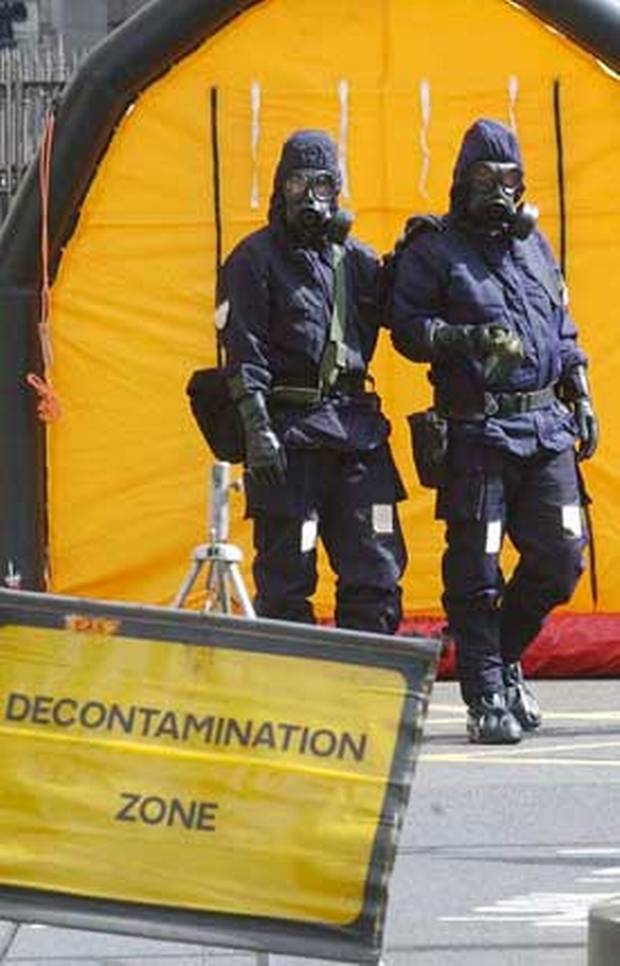
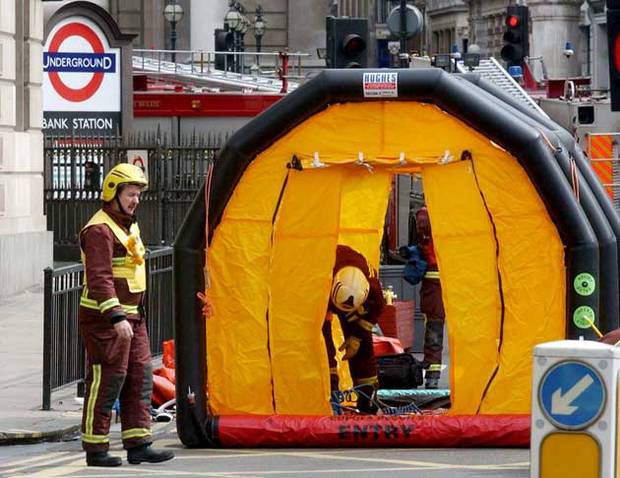
Another factor with a chemical attack to consider is the likelyhood of you knowing an attack was even underway before it is too late, organophosphate poisoning in the case of a nerve agent for instance is a rapid progression to death without any warning if you happen to be in the immediate area. Identifiable chemical agents for terrorism include hydrogen cyanide, organophosphates, chlorine, nitrogen mustard, soman, sarin to name but a few. A note on chemical risk, remember it can be a local factory on fire, an overturnedchemical carrying tanker, it does not have to rate as an attack but accident as well. Regarding chemical attack the whole range of nasties range from choking, blister, blood and nerve agents.
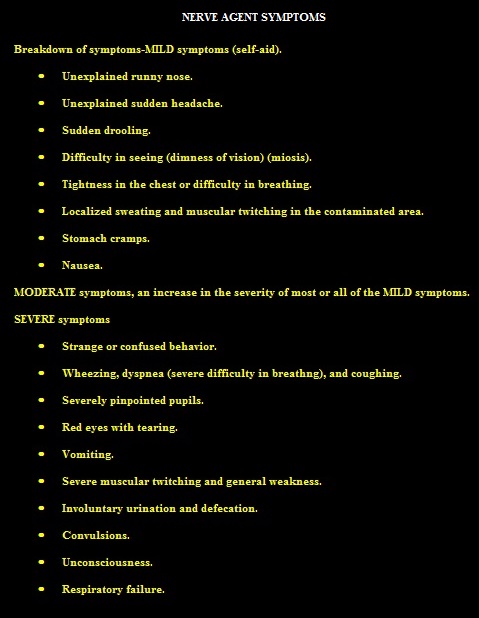
In brief here is a look at the various types & symptoms -
BLOOD AGENTS: Hydrogen cyanide (can smell like bitter almonds, not always the case though) and cyanogen chloride , these are both absorbed by mucous membranes / skin. Protective masks with metallic salt/carbon filters may poorly absorb it. Prevents oxygen being consumed from red blood cells. Symptoms - Convulsions, increased breathing, slowing heart rate, death. Receiving a large dose symptoms start rapid, patient recovery likely in lesser severe symptoms upon agent clearing.
CHOKING AGENTS: phosgene, diphosgene, chlorine, chloropicrin. Colourless gas, smells like mown hay. Possible eye irritant, massive pulmonary edema, inhibits exchange of air/co2. Signs and symptoms are coughing, tight chest, nausea, possible vomiting, headache, eyes watering.
BLISTER AGENTS: main types, mustard, nitrogen mustard, Lewisite, halogenated oximes. Can penetrate skin by contact with either liquid or vapour. Various degrees of effect depending on the agent used include painful itching , Intense eye pain, blistering of the eyelids, paralyze vocal chords. Although blister agents can affect other organs and produce deleterious effects, the skin, eyes, and respiratory tract are the principal organs affected.
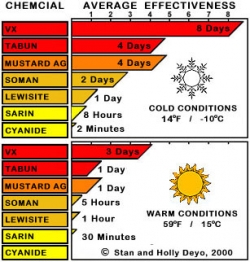
NERVE AGENTS: similar to insecticides. All liquids, oily. Liquid nerve agents are pale yellow to colourless and are almost odorless. They are rapidly destroyed by strong alkalies and chlorinating compounds. Normal clothing is readily penetrated by liquid or vapour.Nerve agents affect nerve impulses, central nervous system, muscles of the iris, ciliary, bronchial tree, and gastrointestinal tract, effects are prolonged, also tiredness, fatigue, poor appetite, impaired concentration until recovery is complete.
NUCLEAR

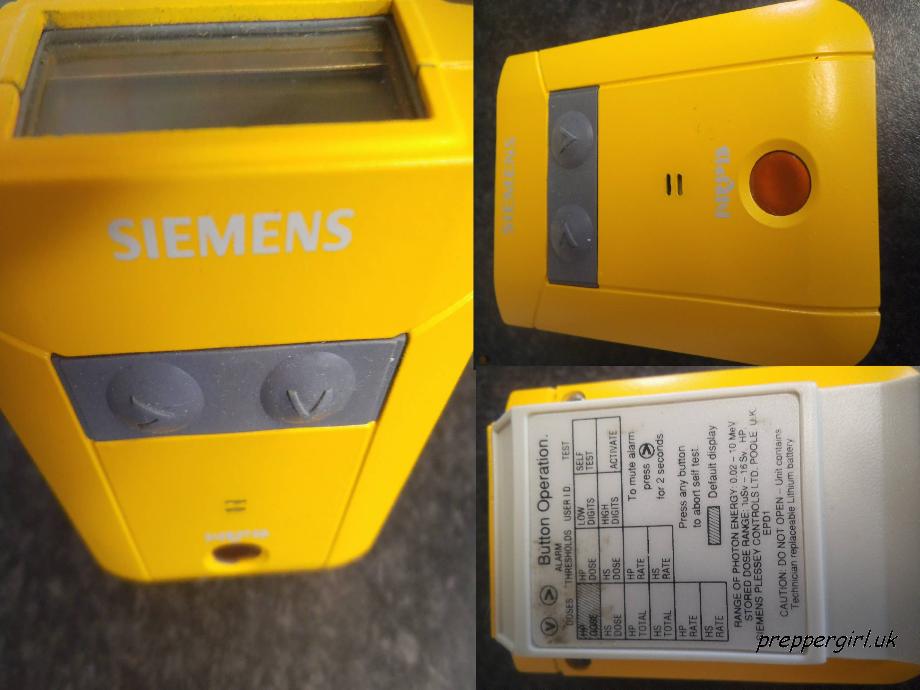
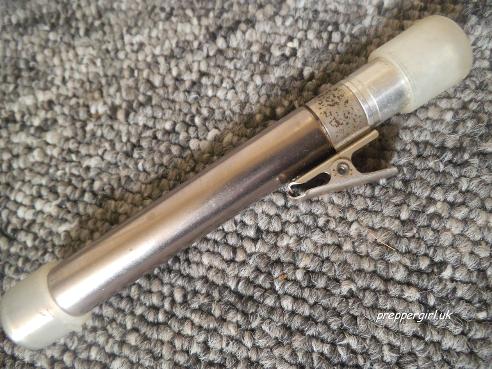
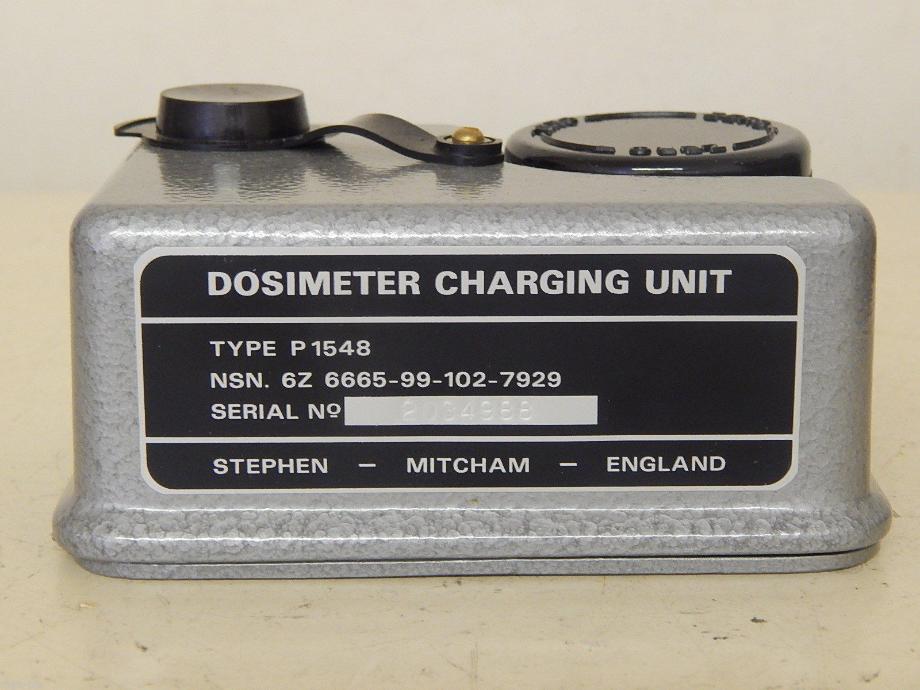
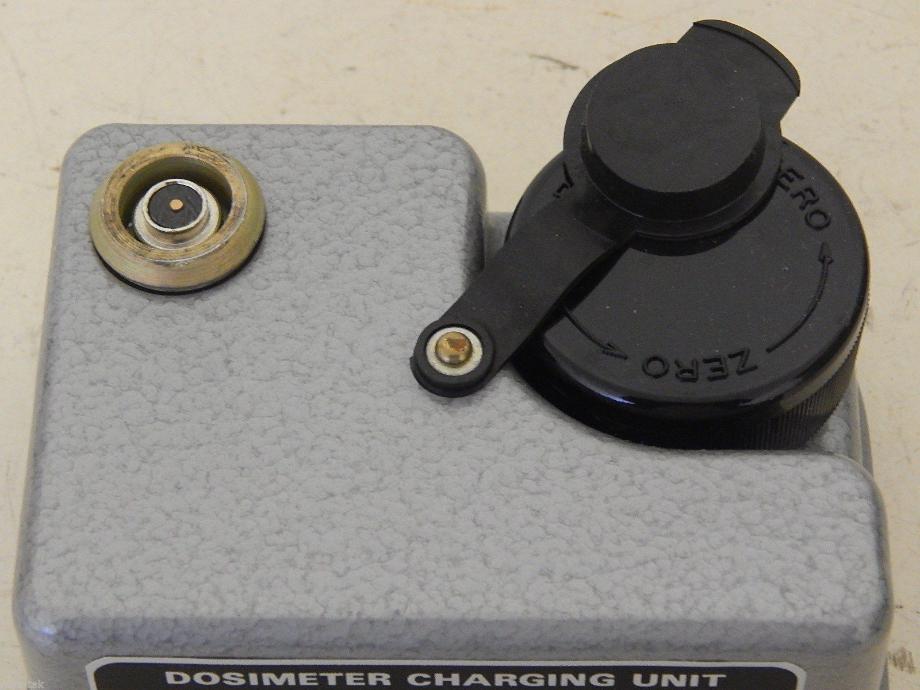
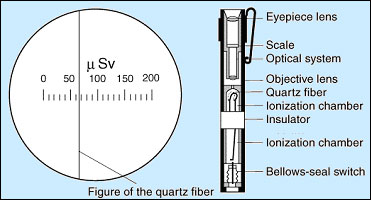
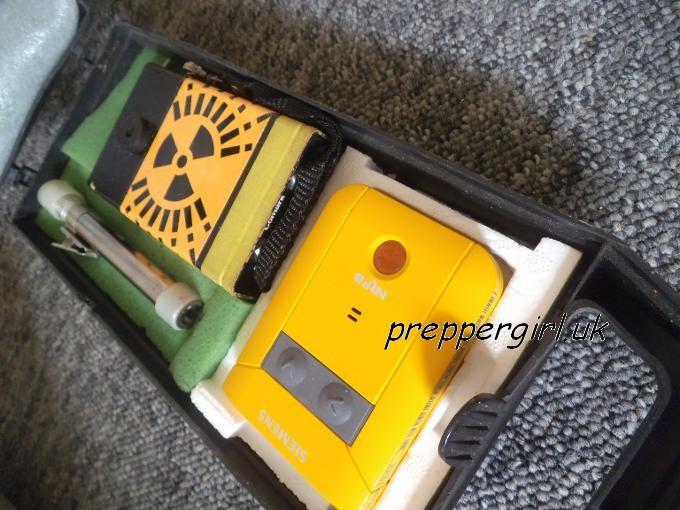
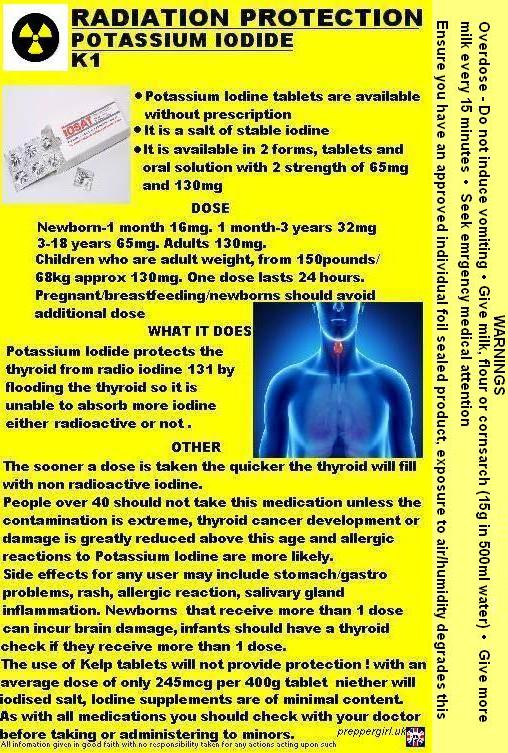
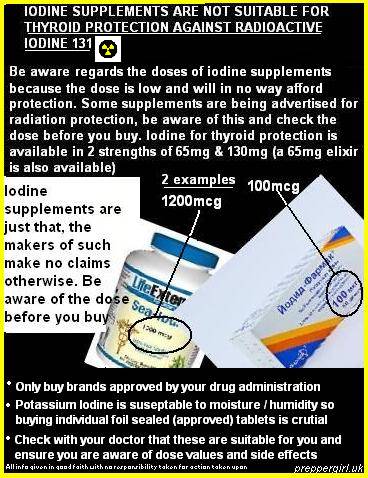
POTASSIUM IODIDE (K1) TABLETS
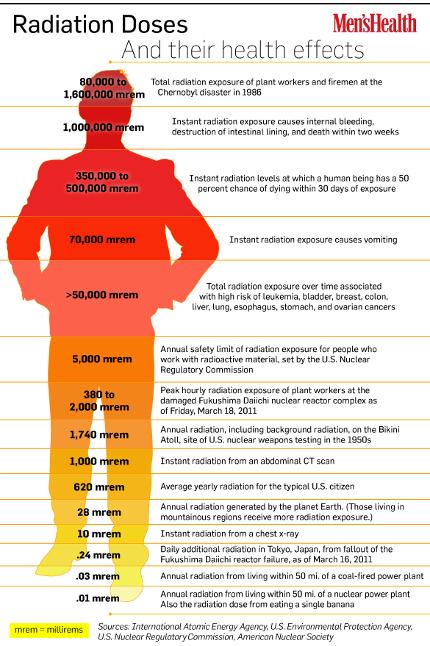
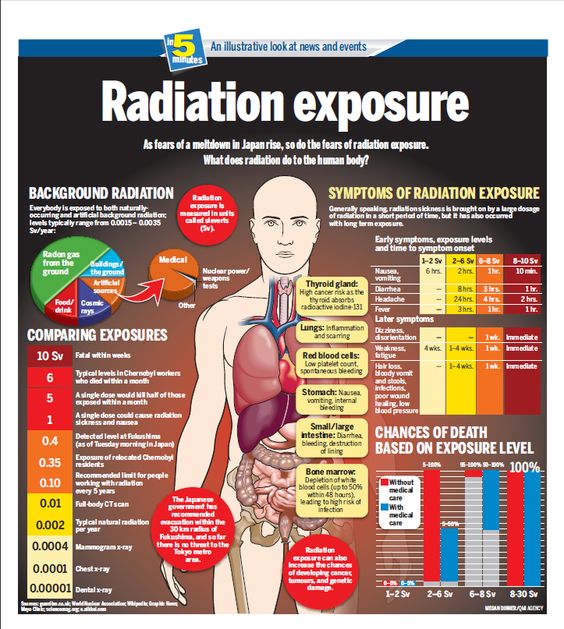
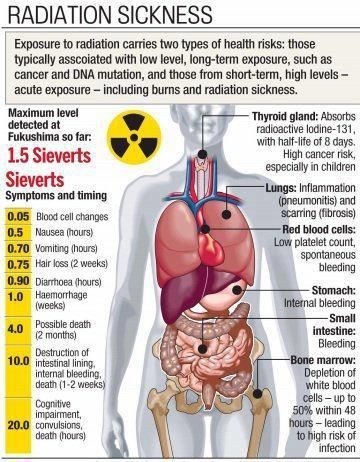
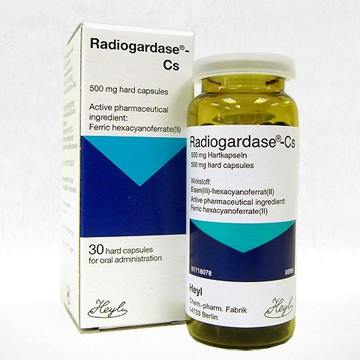
K1 tablets. Fact to consider is what is your ability to know of a radiation release into the air, how often do you monitor it and do you carry it regular ? A K1 dose lasts 24 hours, why stay in a situation that is obviously one to leave ? If you are being told by official means chances are it may already be too late, the time to act is at breaking of event. K1 tablets by themselves do protect against thyroid contamination from Radio Iodine 131, that is all they do, they will not protect from other forms of radioactive contaminate or any other parts of you from either ingestion or exposure.
BIOLOGICAL
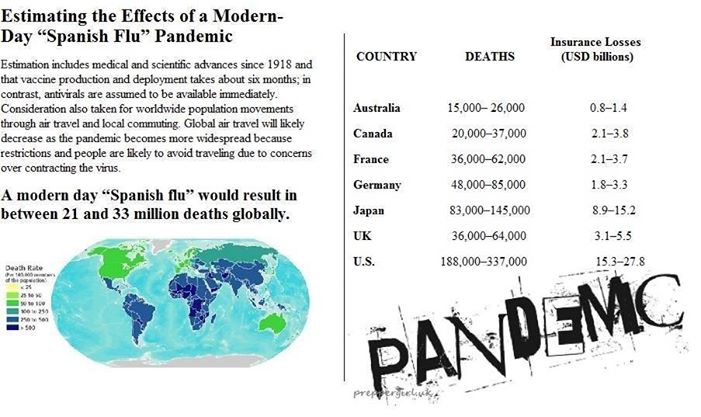
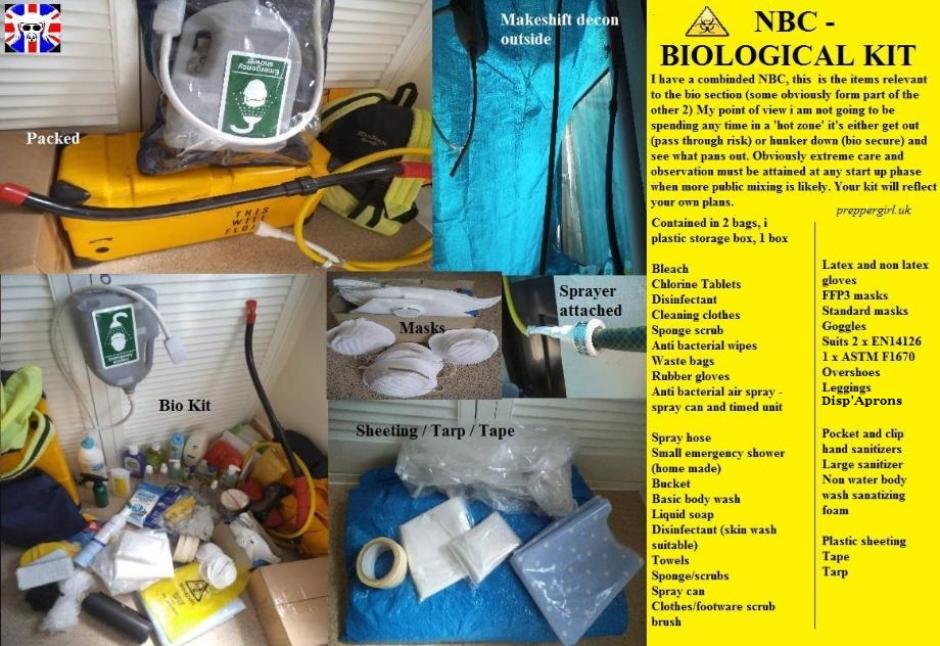
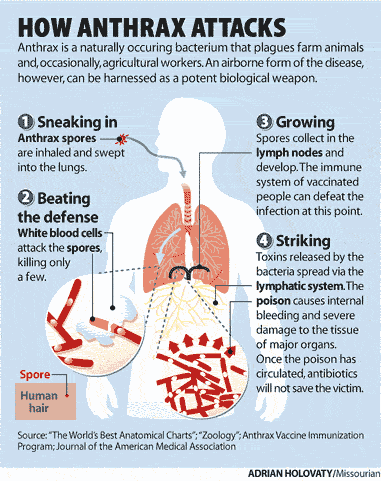
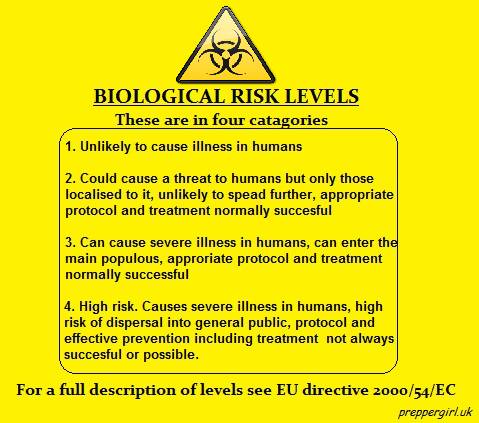
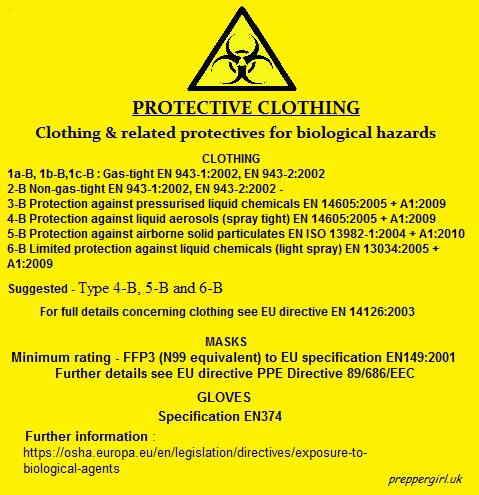
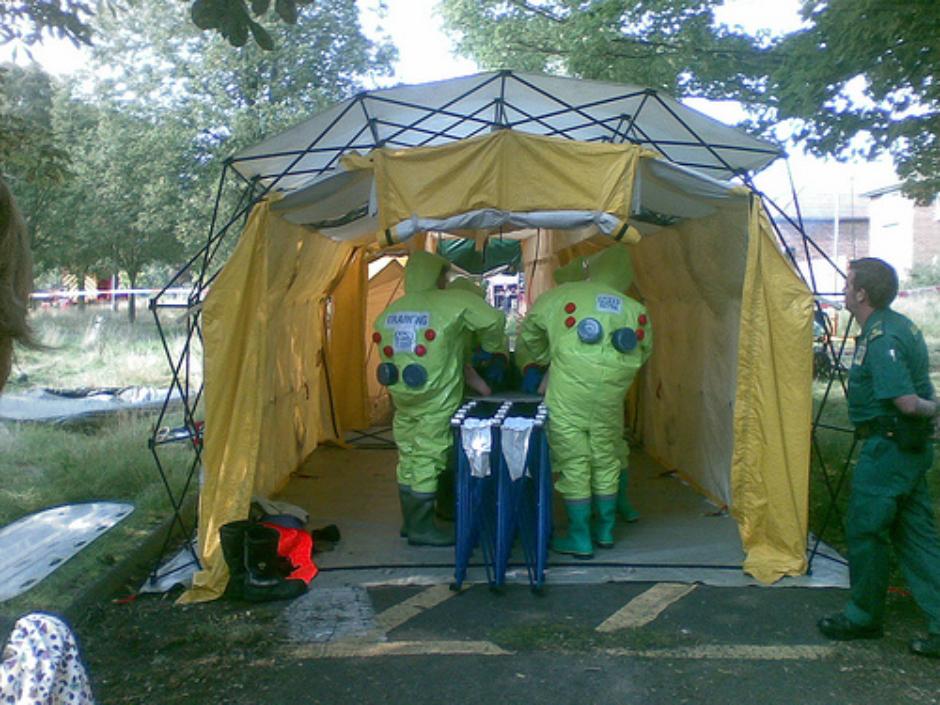
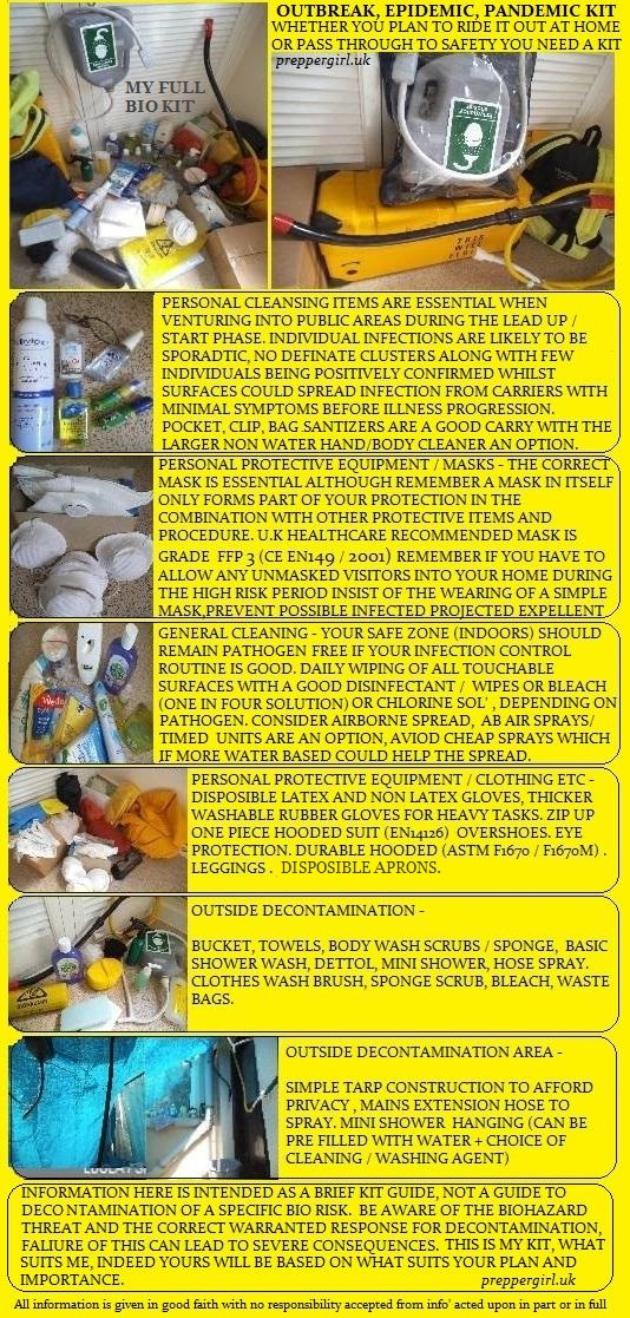
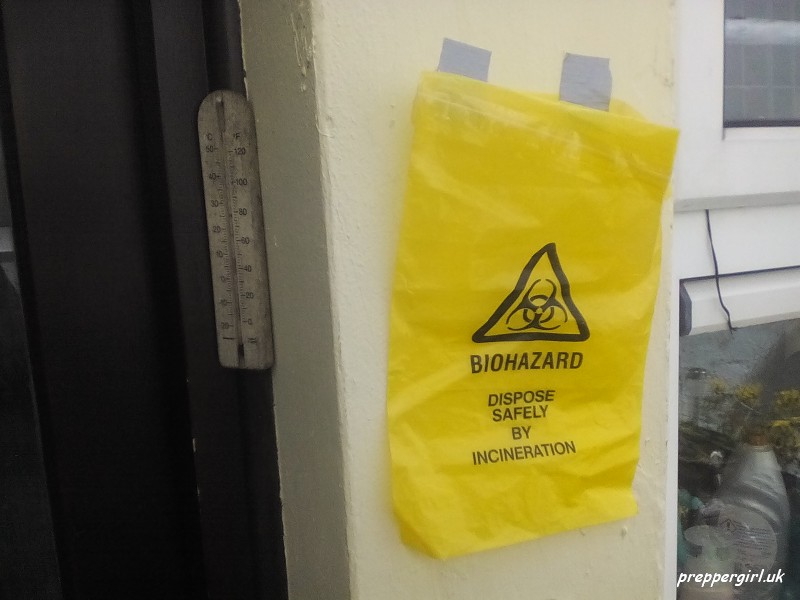
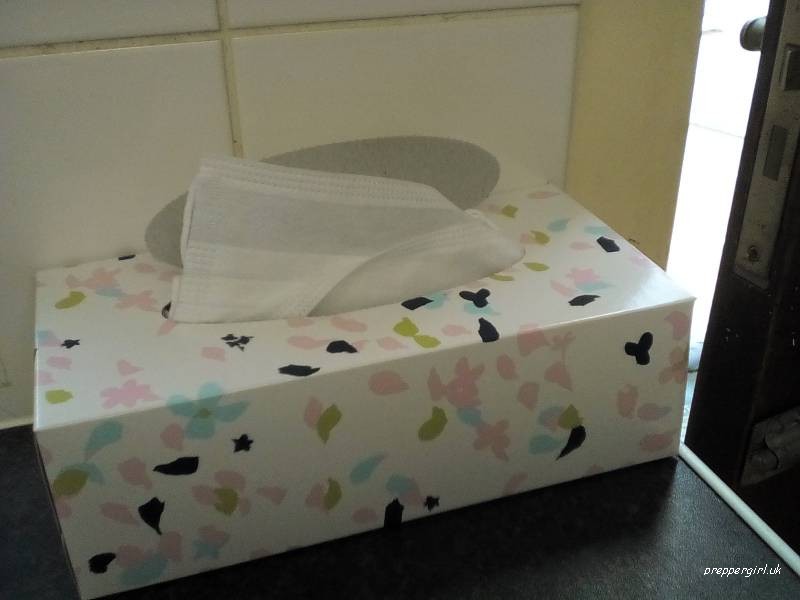
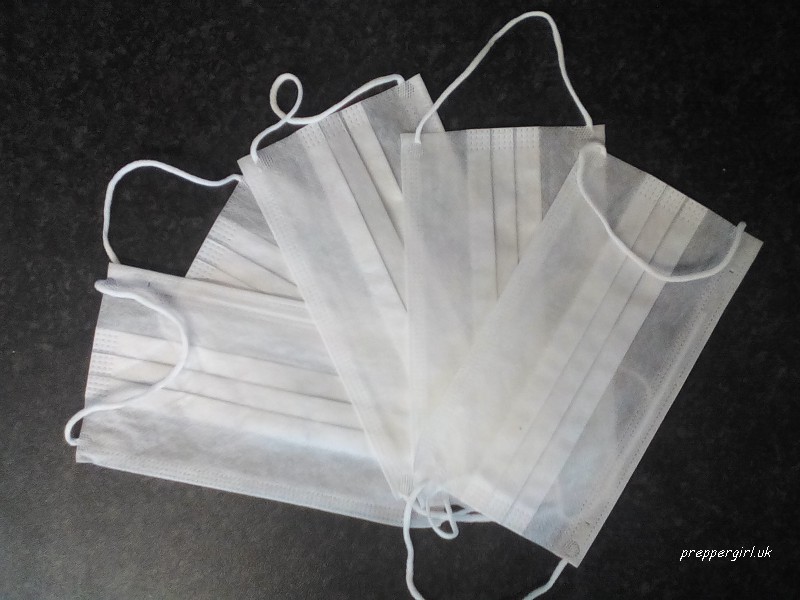
Table 1. Some Common Biological Warfare Agents that Can be Used for Bioterrorism
| Disease or agent | Lethality (death) | Incubation period | Effective dose | Environmental stability |
| Lethal Agents | ||||
| Anthrax | high | 1-6 d | 10,000-50,000 spores | very stable for years |
| Plague | high | 1-6 d | 100-500 organisms | stable for 1 year |
| Smallpox | high | 7-17 d | 10-100 organisms | very stable |
| Ebola virus | high | 2-6 d | 10-100 organisms | unstable |
| Botulism | high | 1-5 d | 0.001 mcg/Kg weight | relatively stable |
| Ricin | high | 1-2 d | 3-5 mcg/Kg weight | stable |
| Cholera | high | 1-3 d | 10-500 organisms | unstable |
| Incapacitating Agents | ||||
| Brucellosis | low | months | 10-100 organisms | very stable |
| Tularemia | low | 2-15 d | 10-50 organisms | stable for months |
| Q fever | low | 15-40 d | 1-10 organisms | stable for months |
| Mycoplasma | low | months | 10-100 organisms | moderately stable |
| T-2 Mycotoxins | moderate | 1 d | unknown | very stable |
| Type B Enterotoxin | moderate | <1 d | 0.03 mcg | moderately stable |
| Equine encephalitis | low | 2-6 d | 10-100 organisms | relatively unstable |
The Institute for Molecular Medicine